

In the United States, a valve with polymer leaflets that can be expanded using a catheter if a child grows has been approved.
In the United States, a valve with polymer leaflets that can be expanded using a catheter if a child grows has been approved.
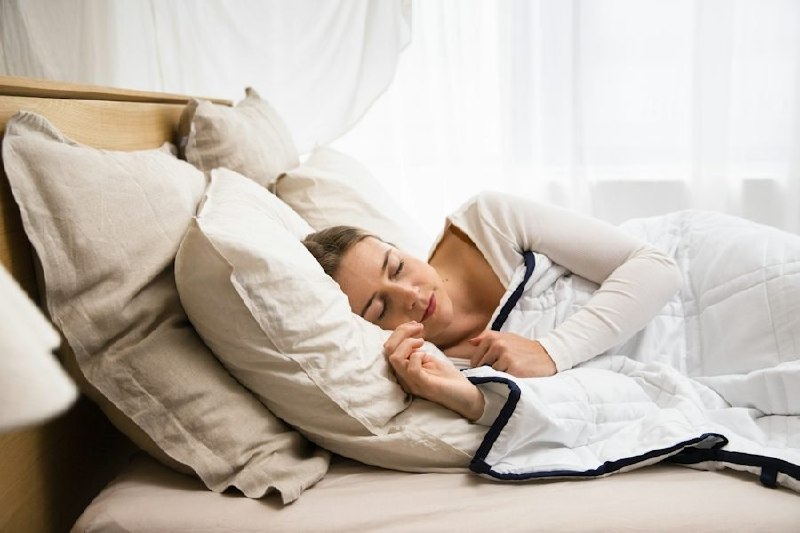
In trials, the soft NEUSLeeP patch helped people enter REM sleep an average of 43 minutes earlier and stay in it about 16 minutes longer.

In Europe, balcony solar systems have already moved beyond a niche solution, and Britain and California are beginning to adapt the rules for them.
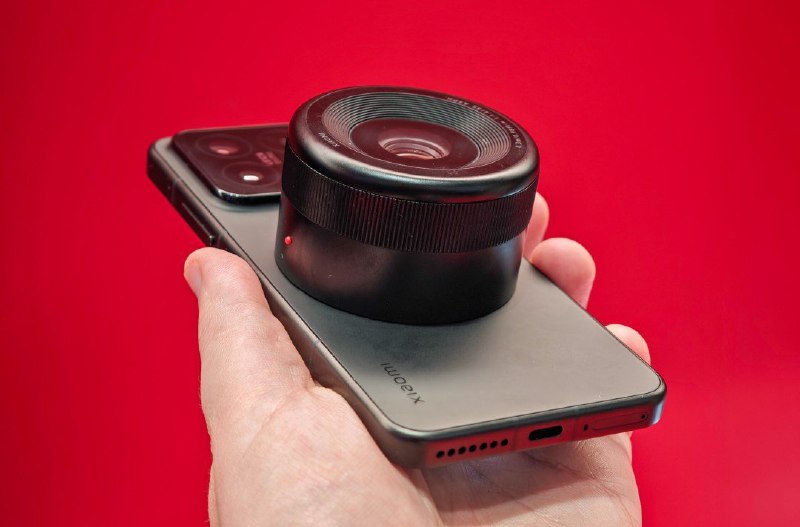
Both companies have shown concepts that give a smartphone what professional cameras usually have: a large sensor and interchangeable optics.

At CES 2026, several devices pointed to the next few years: an electric motorcycle with a solid-state battery, a fanless laptop with plasma cooling, and the first Wi‑Fi 8 devices.

In 2025, technology became increasingly woven into daily life: smartphones gained satellite features, batteries became safer and longer-lasting, and screens and augmented reality glasses became more practical.
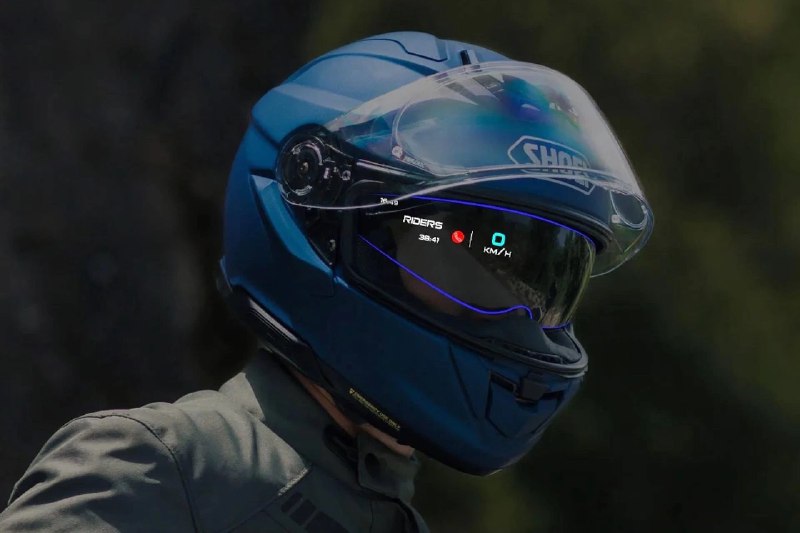
Shoei and EyeLights have built a transparent HUD display into a motorcycle helmet, showing speed, navigation and alerts directly on the visor.
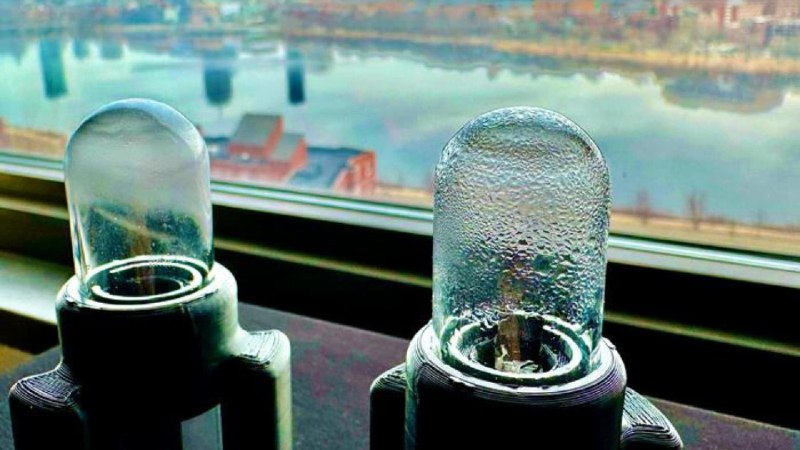
MIT’s device extracts moisture from air 45 times faster than conventional heating: ultrasound breaks the bond between water and the sorbent, and the droplets are then collected in reservoirs.
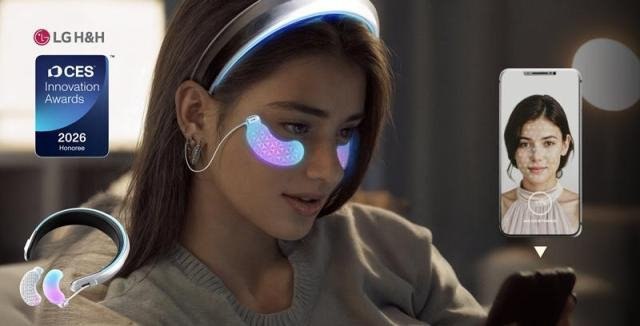
LG’s eye-area patch combines AI skin analysis, vacuum action and an ultra-thin LED module.

German company SkyWind has received international certification for its home wind turbine NG, a compact unit with a diameter of just 1.5 meters.
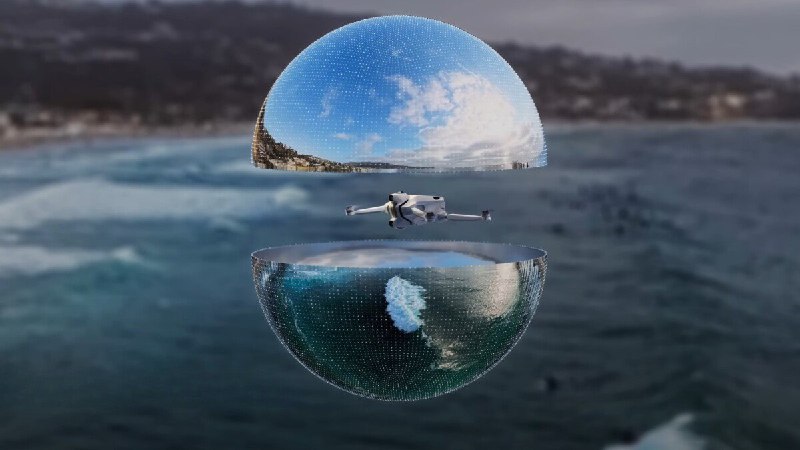
Antigravity has unveiled a 249-gram drone that captures 8K video in 360 degrees and removes itself from the frame.
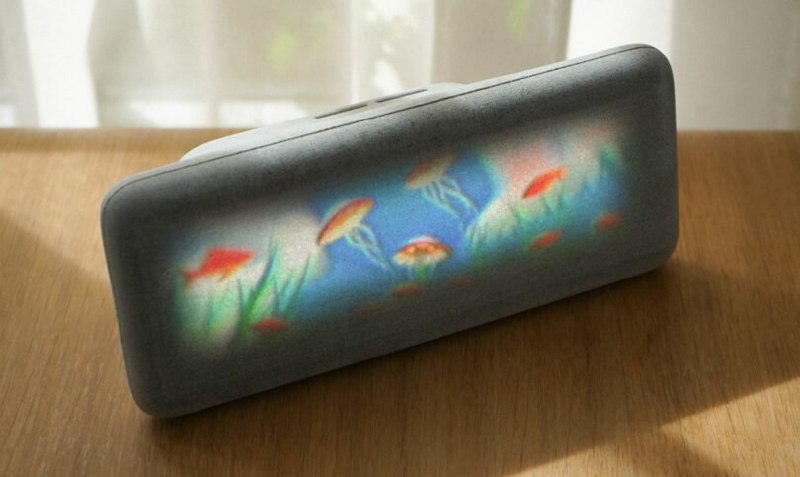
The bedside Dream Recorder captures a spoken account of a dream and turns it into an atmospheric video in a chosen style.