

Chinese researchers equipped microrobots with a membrane that generates electricity on contact with aluminum: in tests, a robot took more than a million steps, using about two grams of the metal.
Chinese researchers equipped microrobots with a membrane that generates electricity on contact with aluminum: in tests, a robot took more than a million steps, using about two grams of the metal.

NASA is testing humanoid robots for work at future lunar bases: they are meant to open hatches on their own, carry cargo and service equipment.
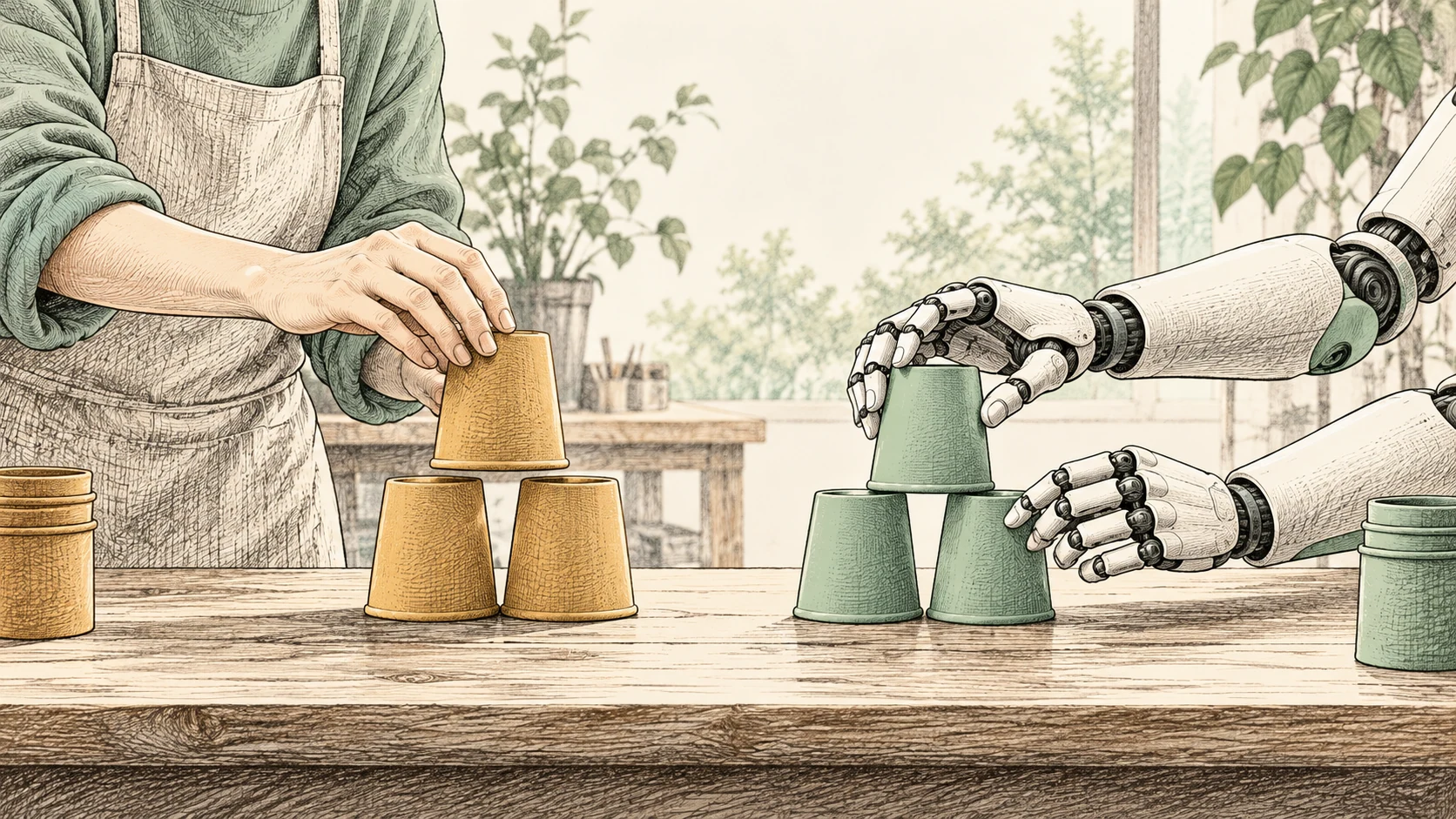
Generalist AI’s new GEN-1.5 model can pick up physical actions after a single demonstration in just 3 to 12 seconds.
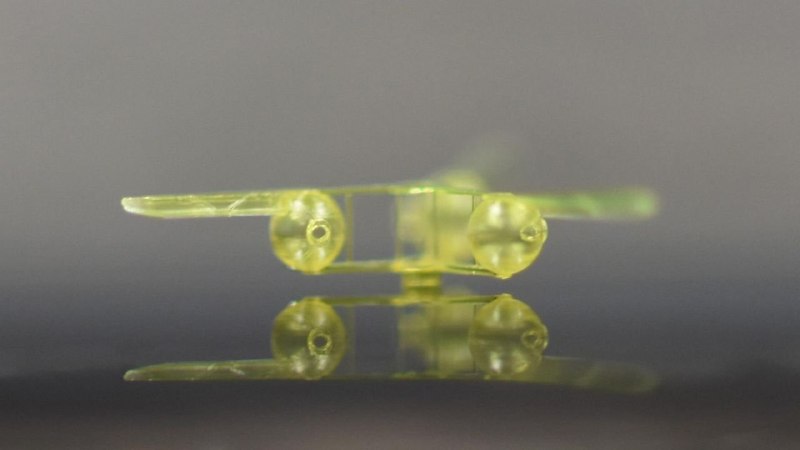
Two research teams have shown how micro-robots can be made to move without motors or batteries: in one case, ultrasound provides the motion, and in the other, infrared light does.
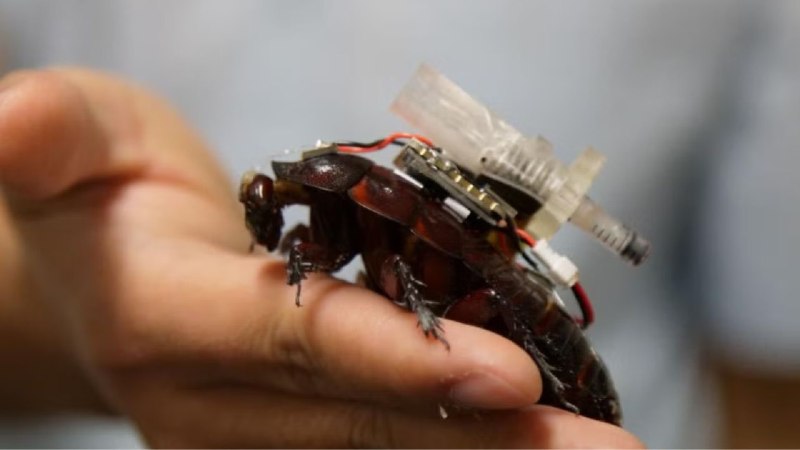
Large burrowing cockroaches were fitted with a lightweight harness carrying a camera or an injector: in trials, they successfully assisted with navigation and drug delivery in 72% of cases, and may one day work in swarms inside rubble.
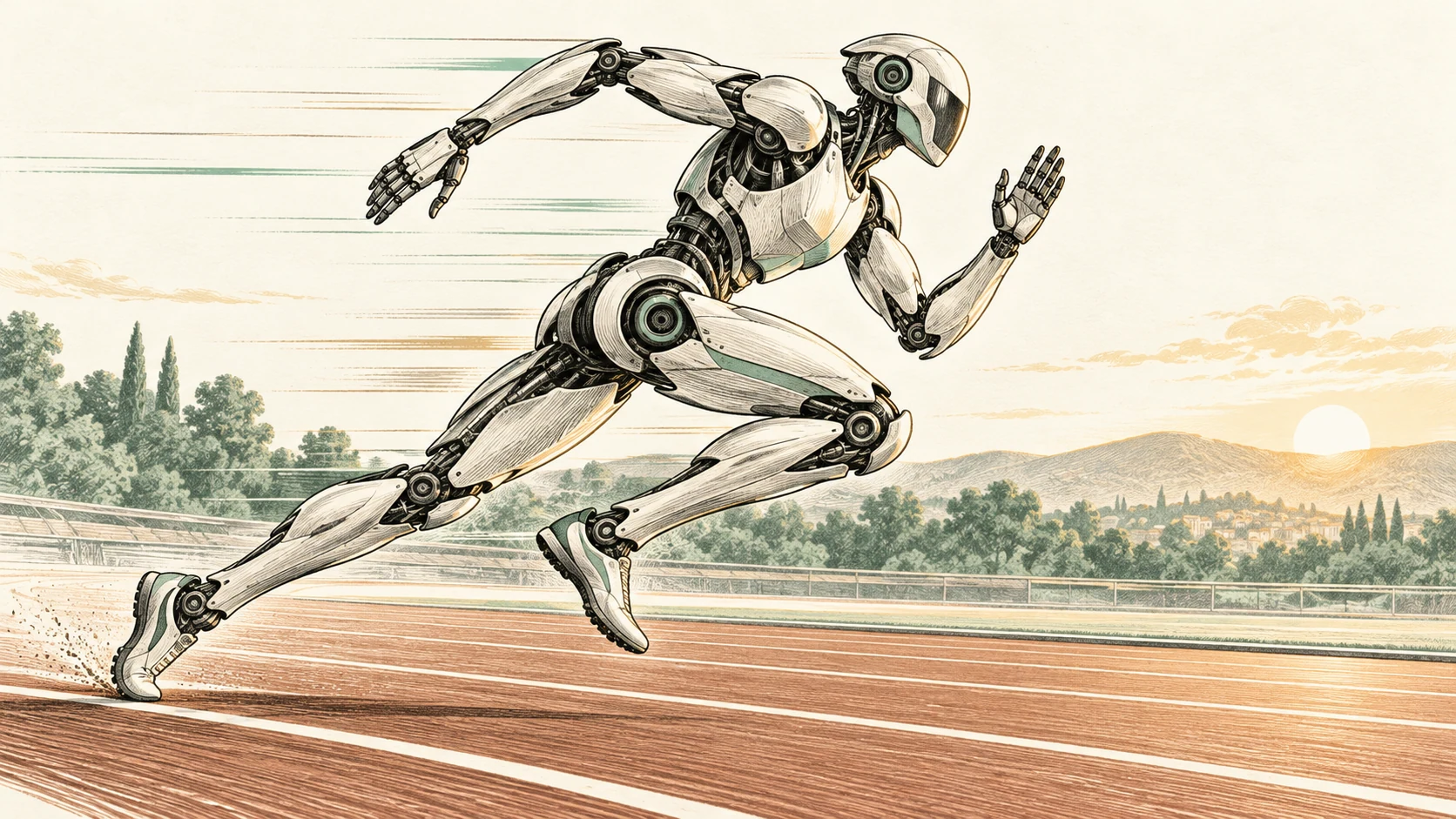
At the World Humanoid Robot Games in Beijing, TienKung ran 100 metres in 9.39 seconds.
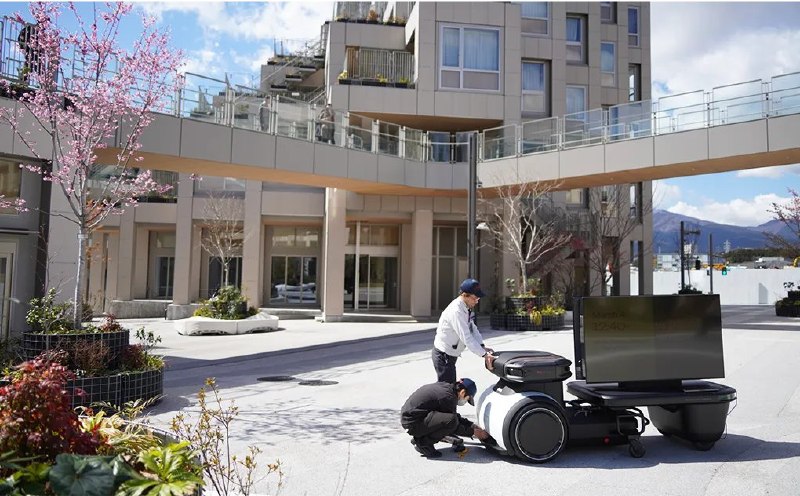
In the Japanese Woven City district at the foot of Mount Fuji, Toyota engineers, test users and their families live alongside robots and new technologies.
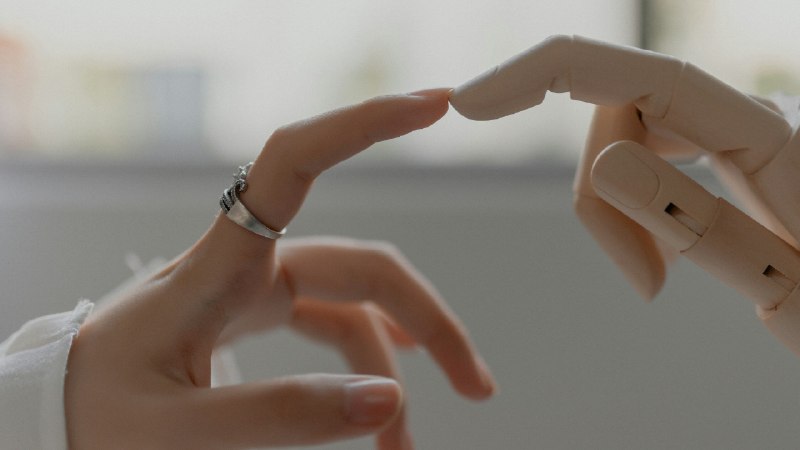
The ionic “skin” for soft robots withstands vacuum, saline solution and heating to 200°C while keeping a stable signal.
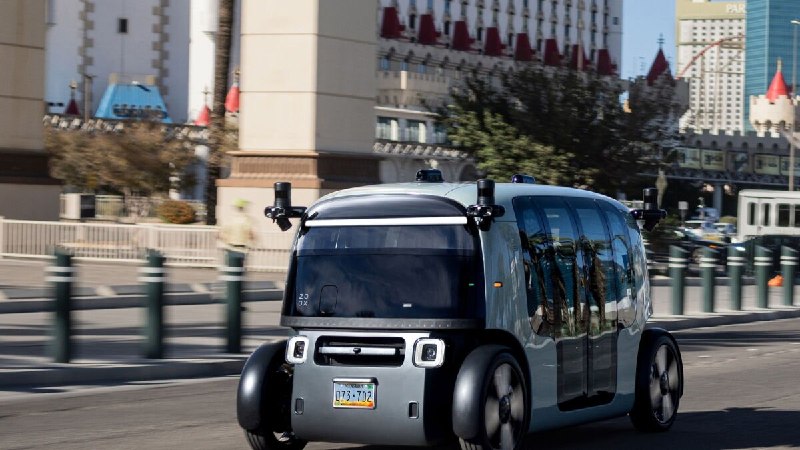
Zoox has been cleared for commercial rides in fully driverless electric taxis with no steering wheel or pedals.
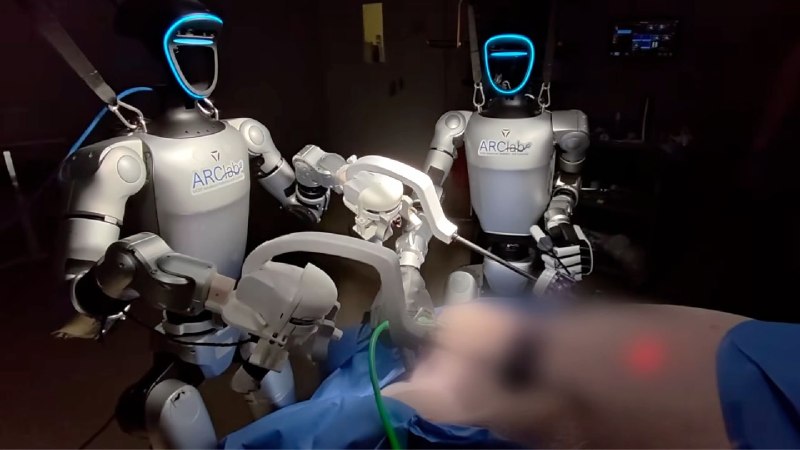
In preclinical trials, teleoperated humanoid robots performed two surgical operations on large non-primate animals for the first time.
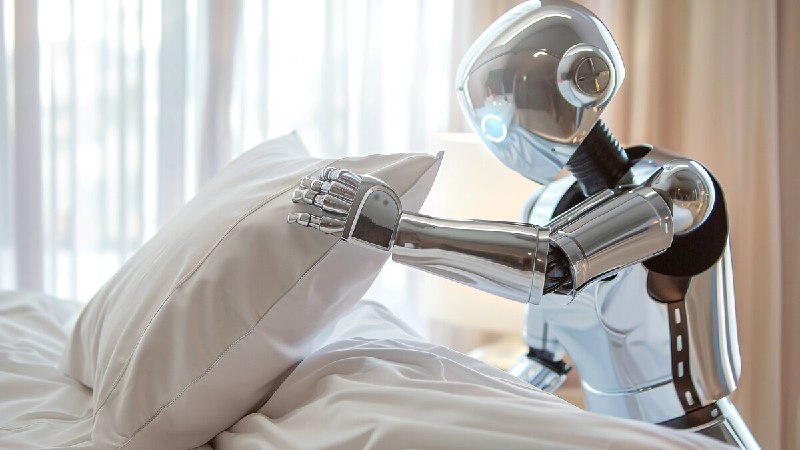
Guangdong is preparing to launch a hotel where robots will handle nearly all core operations, from check-in and luggage delivery to cleaning and cooking.
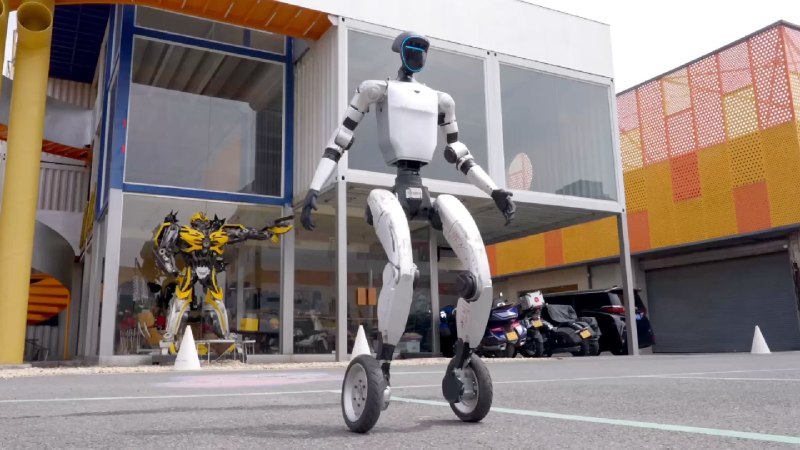
China is introducing official identification for humanoid robots: each device will receive a unique number that will stay with it throughout its entire life cycle, from production to operation and maintenance.