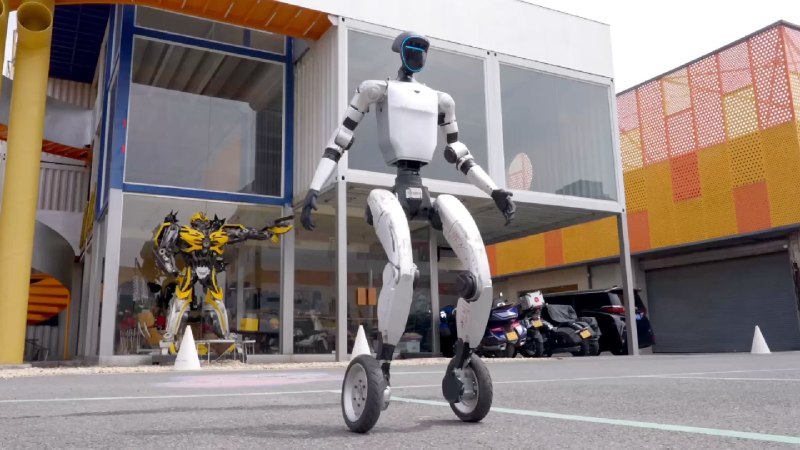
China is launching a system for the official identification of humanoid robots. Each device will be assigned a unique number that will remain with it throughout its entire life cycle — from production to operation.
This identifier will act as a kind of "passport" for the robot. It will make it possible to record the machine’s key stages: production, movement, maintenance and use. Against the backdrop of rapid growth in the humanoid robotics market, this creates a mechanism for transparent tracking and oversight.
As the industry grows, a practical question arises: how can robots be recorded, their technical condition monitored, and the transparency of their use ensured? Introducing a unified identification system helps address several tasks at once. It simplifies device maintenance, makes it easier to monitor operation, and creates a basis for future safety standards.
Robotics is gradually moving from the experimental stage to mass adoption. Just as cars received license plates and electronic devices received serial identifiers, robots are beginning to become a full part of the technological infrastructure of modern society.