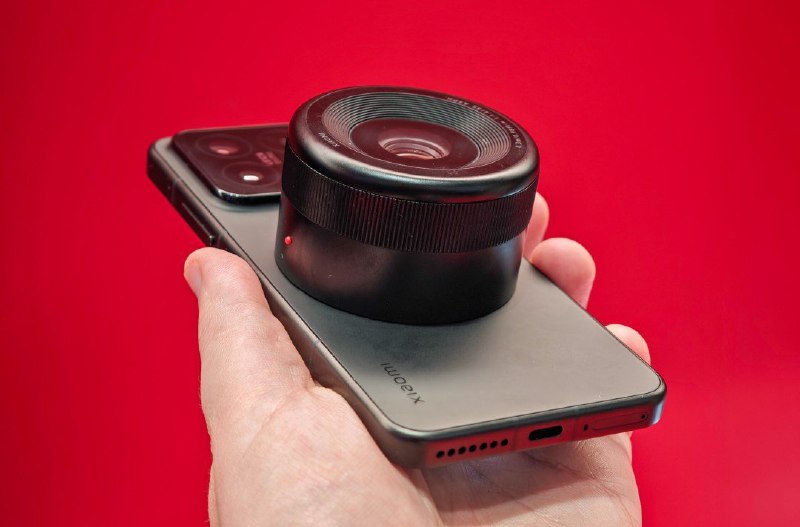
2025 was a year of quiet but noticeable technological changes that genuinely made everyday life easier. Screens can now not only be seen but also felt. Identification and access are increasingly happening on the move, without documents or stops. Connectivity is becoming less dependent on coverage, as satellite functions enter ordinary smartphones. Batteries are no longer a weak point of devices: products last longer and are safer. Wearable and home gadgets are becoming smaller and less visible, integrating into clothing and daily life. Displays and augmented reality glasses are moving from entertainment to practical tasks.
At the same time, technologies of the future stopped being experiments in the outgoing year. Flying cars began to roll off factory lines, water and fuel started to be extracted from air on an industrial scale, supersonic aviation officially returned to the agenda, and China’s maglev set new world speed records. These technologies have not yet changed everyday life, but 2025 made one thing clear: the question is no longer whether they will happen, but when.