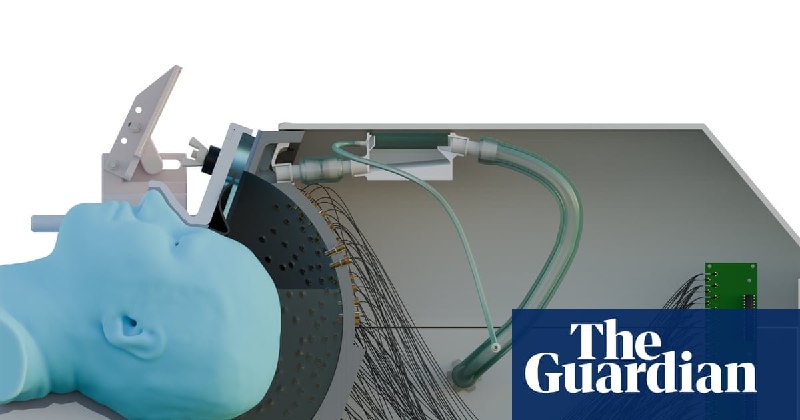
At the University of Texas at Austin, researchers created a soft NEUSLeeP patch that, in trials, helped people enter REM sleep an average of 43 minutes earlier and spend about 16 minutes longer in that stage. And it did so without drugs or surgical intervention.
REM sleep is important not only for dreaming. In this stage, the brain processes emotional experiences and helps the body adapt to stress. NEUSLeeP combines noninvasive ultrasound stimulation with electrodes that simultaneously track brain activity.
The developers now plan trials in people with insomnia, depression, and PTSD. If successful, this approach could move control of individual sleep stages from laboratories into everyday life.