

The lost-theater-ticket scenario shows how mental spending categories change the way people think about the same amount of money.
The lost-theater-ticket scenario shows how mental spending categories change the way people think about the same amount of money.
Under the World Bank’s new classification, six countries moved into higher income groups, while the share of low-income economies has fallen sharply over the decades.


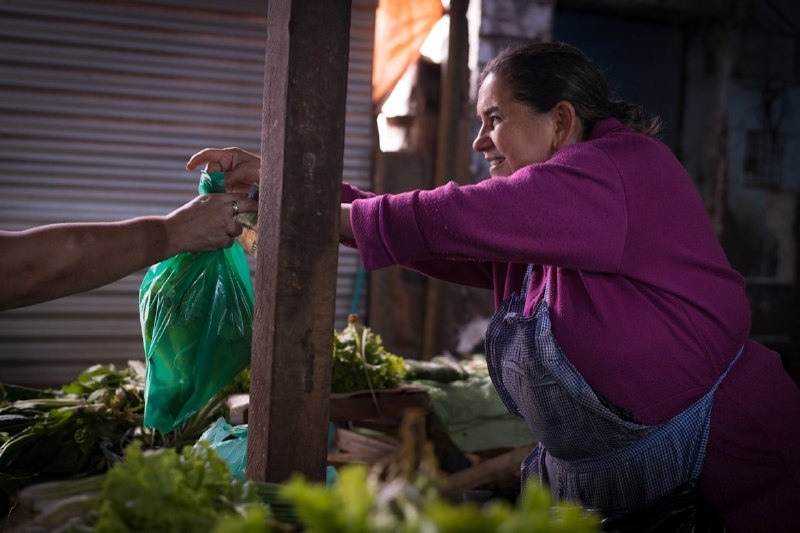
Over 20 years, Paraguay cut poverty from more than half the population to 16%, with about a third of residents leaving poverty altogether.
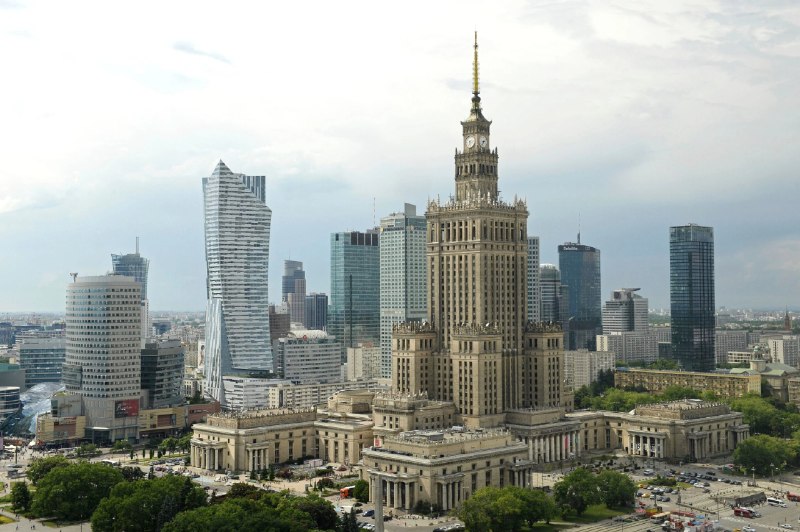
Poland’s GDP has passed $1 trillion, putting the country among the world’s 20 largest economies and ahead of Switzerland.

The expiry of semaglutide’s patent in India has already led to local versions of the drug and a notable drop in prices.

A UNEP report involving scientists from 82 countries shows that investments in sustainable development and nature protection could become a source of enormous economic benefit.
The EU and Mercosur are creating one of the world’s largest free trade areas, covering more than 700 million people.
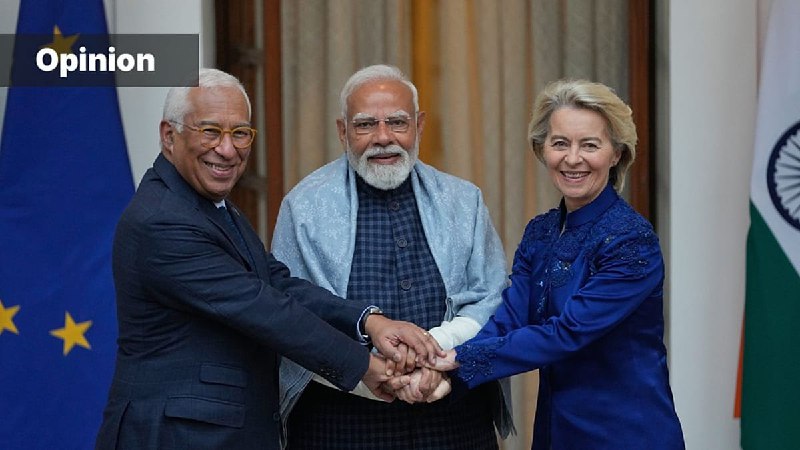
After two decades of negotiations, the EU and India have agreed to sharply reduce tariffs on almost all mutual trade.
A University of Michigan study found that fighting poverty requires more than resources: only a course adapted to local values and beliefs produced lasting results.
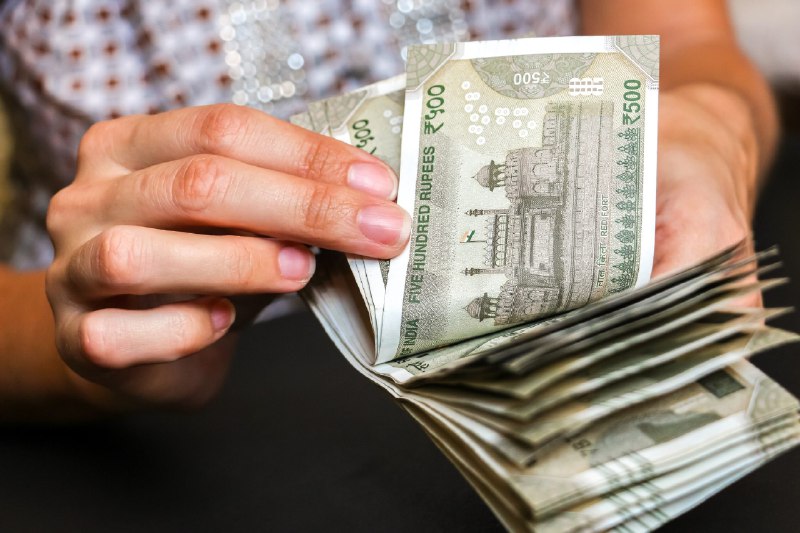
In India, 118 million women have begun receiving unconditional monthly payments, and the program now operates in 12 of the country’s 28 states.