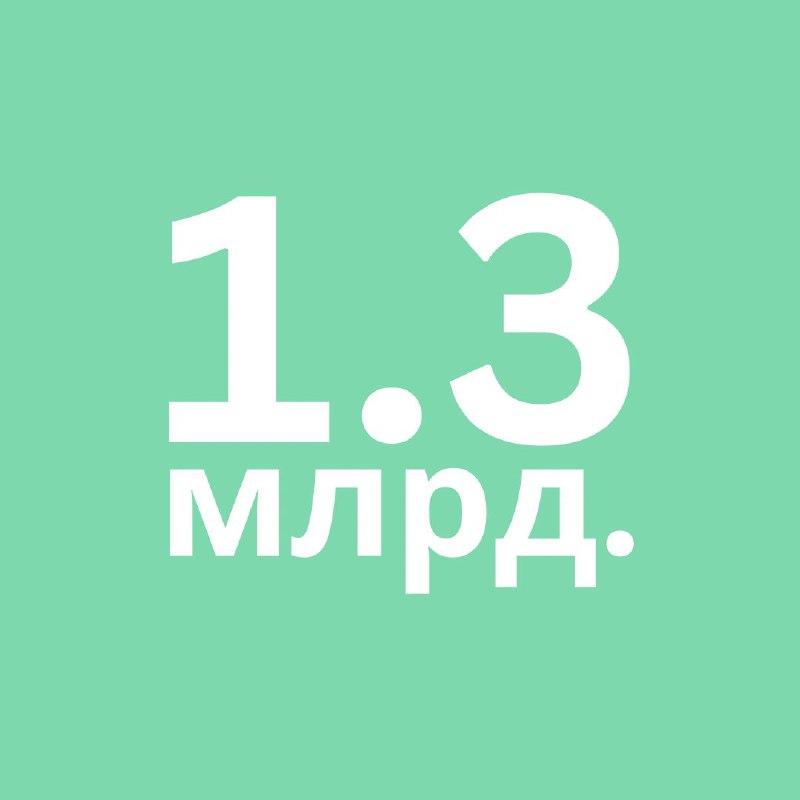
India’s direct unconditional cash-transfer program for women has expanded significantly and now covers nearly half of the country’s states (12 out of 28). A total of 118 million women have begun receiving unconditional government cash payments.
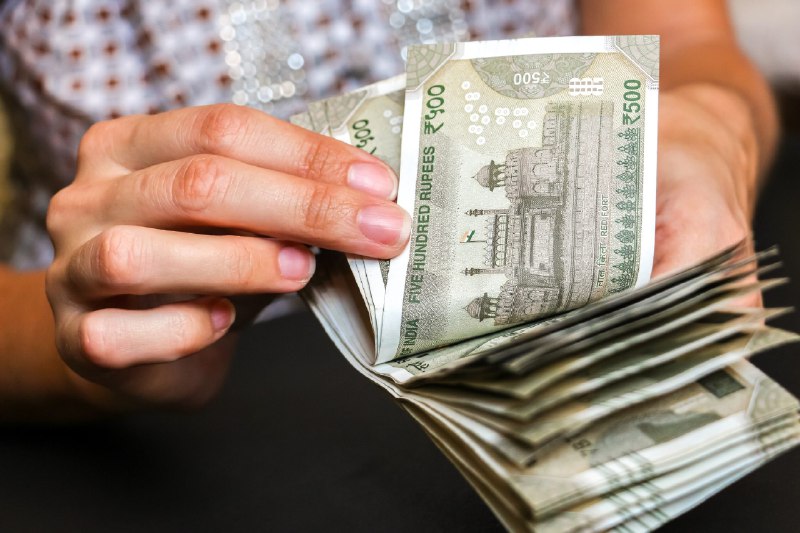
Women receive 1,500 rupees a month (about $18) — regardless of income, employment, or marital status. The money is not tied to conditions and does not require reporting. As experience shows, even a relatively small amount can make a significant difference. For many, it is a chance to buy groceries, medicines, pay for children’s education — and, most importantly, to do so independently.
The path to this large-scale program began 10 years ago with a regional initiative in Goa. Other states then joined in. Despite the substantial cost — about $18 billion in 2024 alone — the initiative is seen as a step toward reducing social and gender inequality. It reduces everyday conflicts and strengthens women’s confidence.
Research on unconditional cash-transfer systems in different countries shows that such programs increase household incomes, raise consumption levels and improve food security. They are associated with better child health and greater involvement in education. According to the International Labour Organization, only 31% of women of working age in India participate in the labor force — well below the global average. That is why such initiatives are also important for increasing women’s economic autonomy.