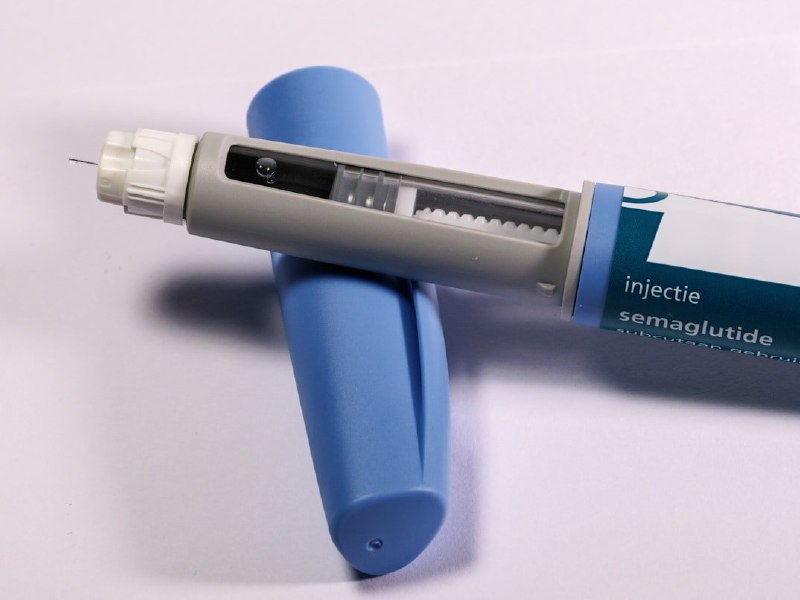
Ozempic, one of the best-known drugs for treating type 2 diabetes, is beginning to lose patent protection in a number of markets, opening the door to cheaper alternatives. The drug is based on semaglutide, the active ingredient in a GLP-1 class medicine that helps control blood sugar and affects feelings of fullness. For a long time, its high price was the main barrier to broad access to such treatment.
The most notable shift is now happening in India. According to Reuters, the patent on semaglutide there expired on March 20, 2026, after which local companies began producing their own versions of the drug. The agency estimates that treatment could become about 70% cheaper than the original. More than 40 manufacturers are preparing dozens of semaglutide-based products, and Novo Nordisk has already lowered the prices of Ozempic and Wegovy in the country in response to the new competition.
The key point here is that next-generation drugs are gradually ceasing to be only expensive innovations. If the trend continues, treatment for diabetes and related conditions will become more accessible to many more patients. And that is a real change in the familiar model of chronic disease therapy.