At the UN Environment Assembly, a new global analytical report, Global Environment Outlook (GEO-7), prepared by the United Nations Environment Programme (UNEP), was presented. Scientists from 82 countries took part in its preparation. According to the report, investments in sustainable development and nature protection could bring the global economy about $20 trillion annually by 2070, and by the end of the century the benefits could reach $100 trillion a year.
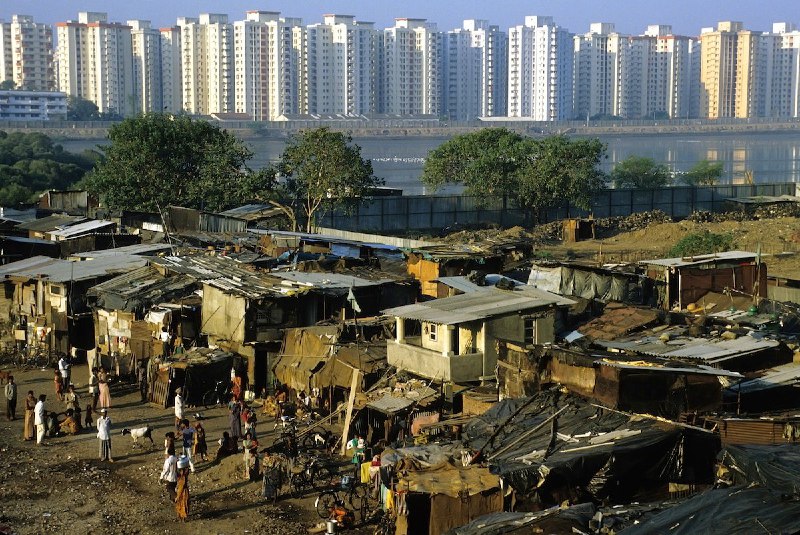
The authors of the report say that climate protection, ecosystem restoration, and pollution reduction are becoming not only an environmental strategy, but also an economic one. Today, the consequences of the environmental crisis already cost the global economy enormous sums. Air pollution causes 9 million premature deaths every year, and the associated medical and social costs reached $8.1 trillion in 2019 — more than 6% of global GDP. Land degradation affects about 40% of the planet’s surface and more than 3 billion people, around 1 million species are under threat of extinction, and the economic losses from climate disasters are estimated at about $143 billion annually.
GEO-7 proposes a transformation program covering five key areas: finance, energy, materials and waste production, food systems, and nature governance. Among the recommendations are an accelerated transition to clean energy, the development of a circular economy, the reduction of food loss, and a more precise assessment of the impact of economic activity on the environment.
The researchers stress that meeting international climate and biodiversity goals will require about $8 trillion in annual investment until mid-century, but these investments will be far cheaper than the costs of inaction and will help ensure long-term economic and social well-being.