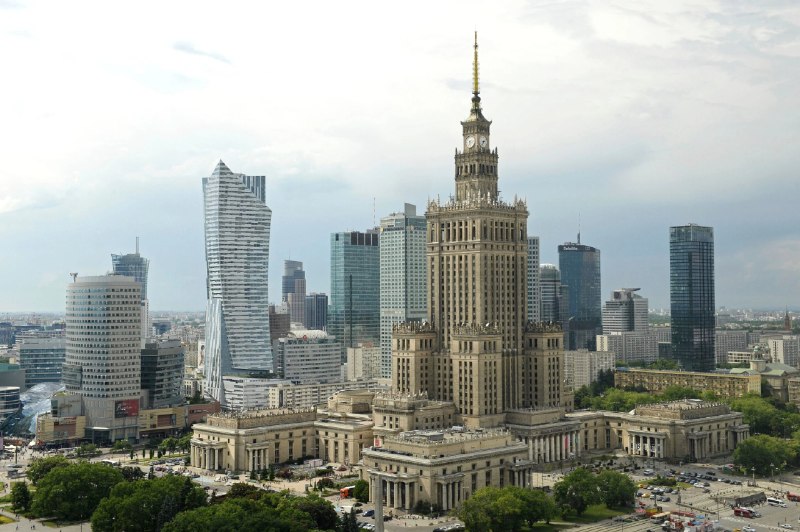
Poland has reached an important economic milestone: its GDP has exceeded $1 trillion, allowing the country to enter the ranks of the world’s 20 largest economies and overtake Switzerland in GDP terms. For a country that still faced shortages of goods and a significant lag behind Western Europe at the end of the 20th century, this looks almost like a change of historical era.
The key shifts began after the transition away from the communist system in the 1990s. After joining the European Union in 2004, average annual growth was about 3.8% — almost twice the European average. GDP per capita rose from 38% in 1990 to 85% in 2025. This is comparable to Japan’s level, taking cost of living into account.
Institutional reforms played an important role: independent courts, antitrust policy and oversight of the banking system. This made it possible to avoid the concentration of capital in the hands of a narrow group of players and to create a more competitive environment. Integration into the European economy was also a strong driver: access to the EU single market and an inflow of investment gave development a powerful boost. Additional momentum came from investment in education — today about half of young Poles have higher education, which makes the labor market attractive to investors.
The economy is gradually shifting toward high technology. Solaris has secured a significant share of the European electric bus market, and in Poznań a development center for AI infrastructure with elements of quantum computing is being created. Despite current challenges — an aging population, relatively low income levels and the need to develop its own global brands — Poland’s story has become an example of how consistent reforms, investment in education and openness to the world can change a country’s economic landscape in just one generation.