

Fatima Zahra Mansouri’s appointment makes her Morocco’s first woman prime minister and the second woman to lead a government in the Arab world.
Fatima Zahra Mansouri’s appointment makes her Morocco’s first woman prime minister and the second woman to lead a government in the Arab world.
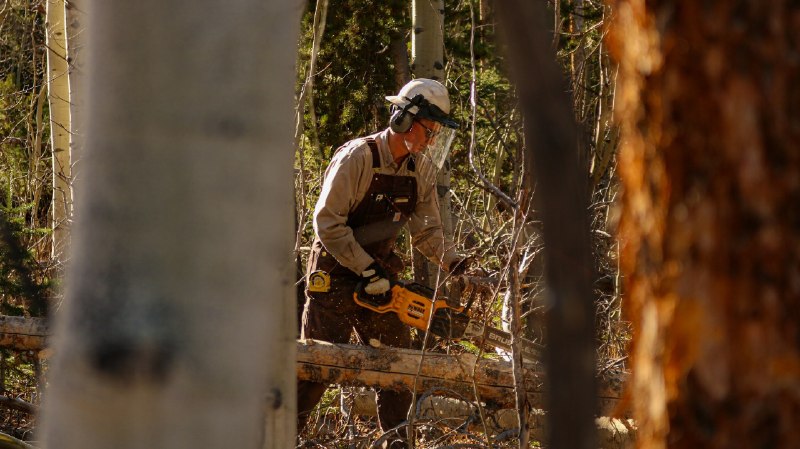
Before handing over power, Gustavo Petro banned new extraction projects in the Colombian Amazon, which makes up 42% of the country’s territory.

The UN General Assembly has backed a shift to equal-area maps that show the sizes of continents more accurately.
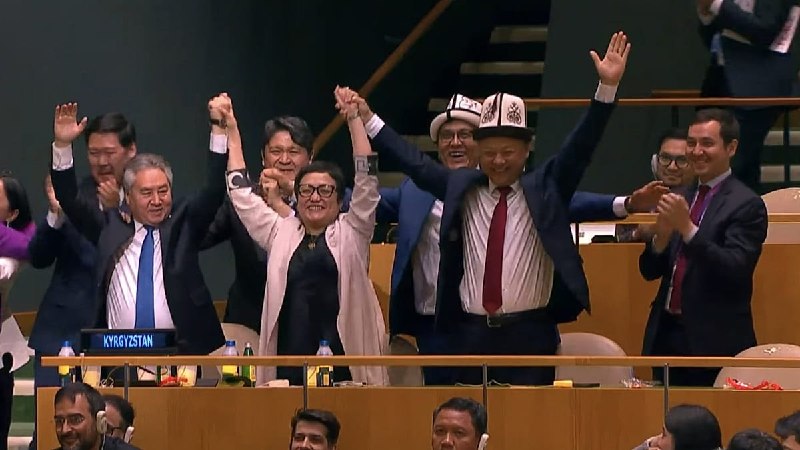
Kyrgyzstan will enter the UN Security Council for 2027–2028 for the first time, taking a seat from the Asia-Pacific Group.
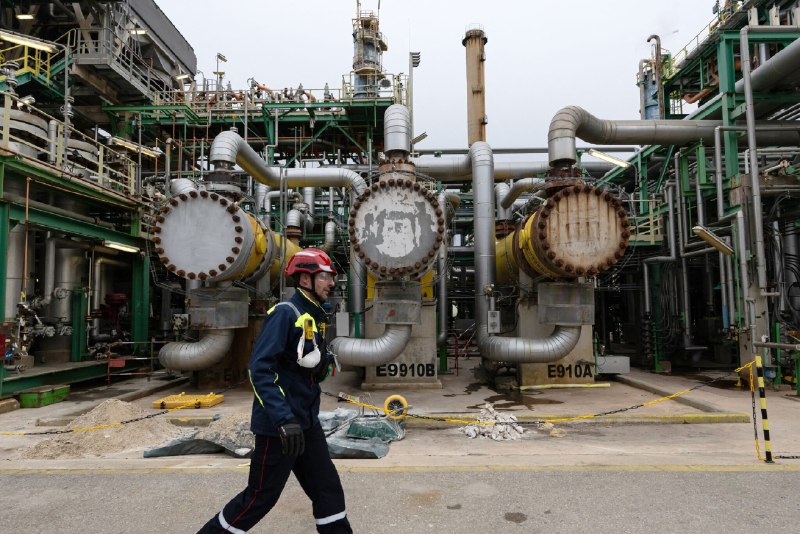
A case has begun in Paris that could, for the first time, extend French due-diligence rules to climate risks: the plaintiffs want the court to consider not only extraction, but also emissions from consumers’ use of fuel.
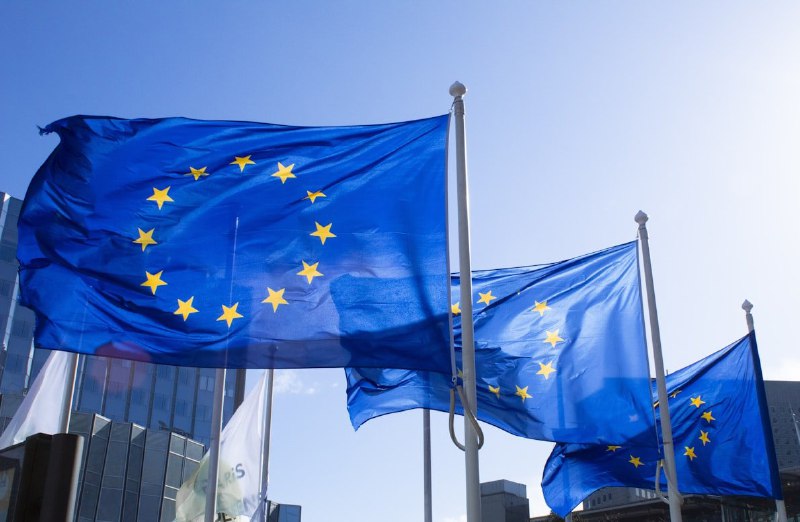
The EU and Mercosur are creating one of the world’s largest free trade areas, covering more than 700 million people.
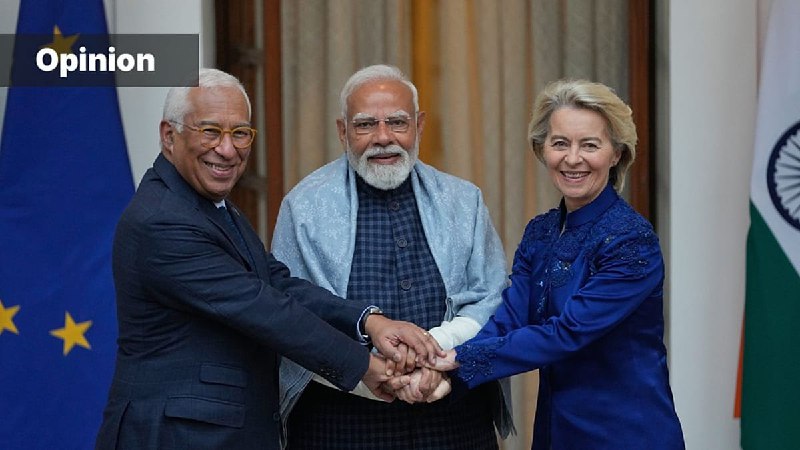
After two decades of negotiations, the EU and India have agreed to sharply reduce tariffs on almost all mutual trade.
Turkey ended its 41-year war with the PKK, the Armenian-Azerbaijani standoff saw its first year in many years without combat deaths, and Colombia managed to consolidate ceasefires and the disarmament of some factions.
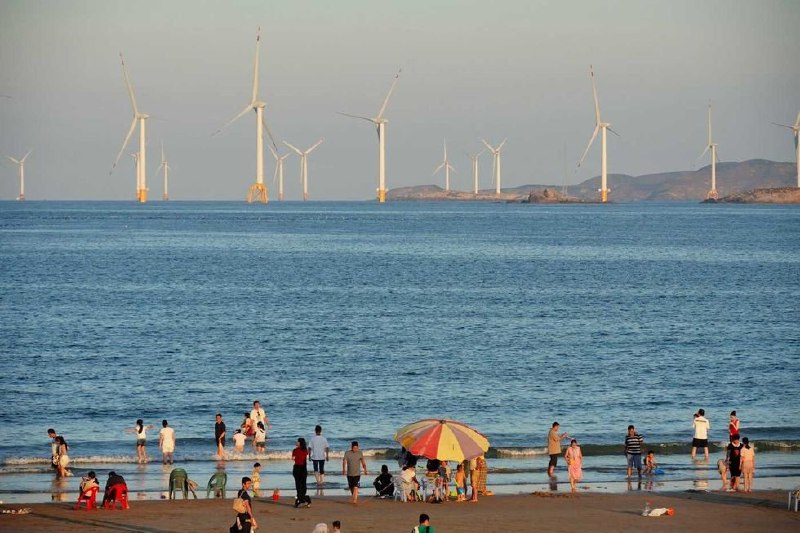
A U.S. court has struck down the January ban on approving new wind farms on federal lands and in coastal waters.

In several countries, greater women’s participation in politics and governance is already accompanied by a shift in budget priorities toward health care, education and social protection.
The Maldives became the first country in the world to introduce a generational smoking ban: from November 1, 2025, tobacco products cannot be legally bought, used or purchased by anyone born after January 1, 2007, including tourists.

From September 15, Russians with ordinary passports will be able to travel to China for up to 30 days without a visa.