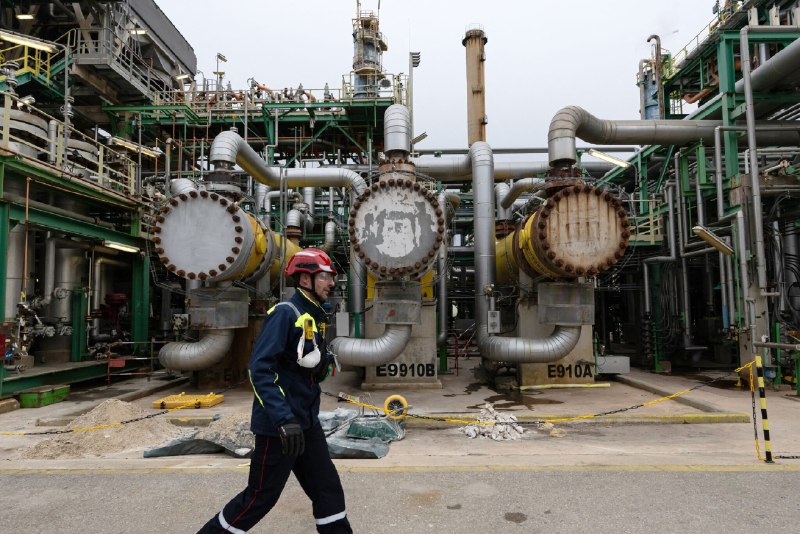
A landmark trial against TotalEnergies has begun in Paris. A coalition of environmental organizations and municipalities is seeking to compel the company to cut oil and gas production and bring its operations into line with the global goal of keeping warming within 1.5°C. The lawsuit was filed back in January 2020, but only now has the court begun examining it on the merits.
The plaintiffs rely on France’s 2017 “duty of vigilance” law, which requires large corporations to prevent serious environmental risks throughout their supply chains, as well as Article 1252 of the Civil Code, which allows claims to prevent environmental harm. Until now, this mechanism has mainly been used in cases involving labor violations and local environmental incidents. For the first time, the court is considering whether these rules apply to climate change.
A key feature of the case is the demand to take into account the product’s entire life cycle, including emissions from end-use of the fuel by consumers. That accounts for about 90% of the company’s carbon footprint. In effect, the plaintiffs are proposing responsibility be assessed from the well to the automobile engine. TotalEnergies says responsibility for energy policy lies with states and points to its investments in low-carbon projects.
A decision is expected within 3–6 months. If the lawsuit succeeds, it could expand the boundaries of corporate responsibility. In practical terms, this is about a new legal reality in which climate commitments cease to be abstract declarations and become subject to judicial oversight.