
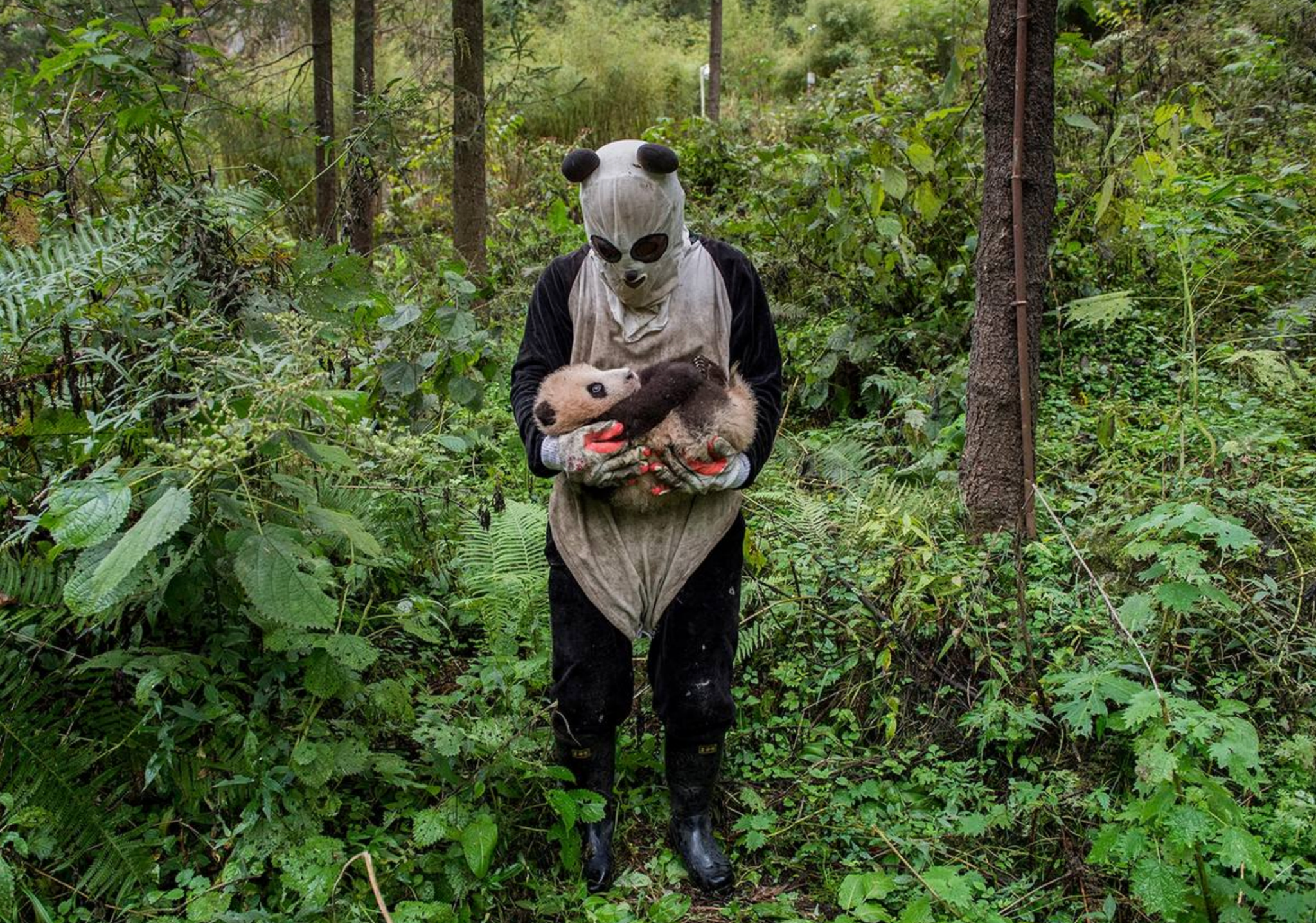
At the Wolong Center, panda cubs born in captivity are prepared for independent life in the forest without becoming accustomed to people.
At the Wolong Center, panda cubs born in captivity are prepared for independent life in the forest without becoming accustomed to people.
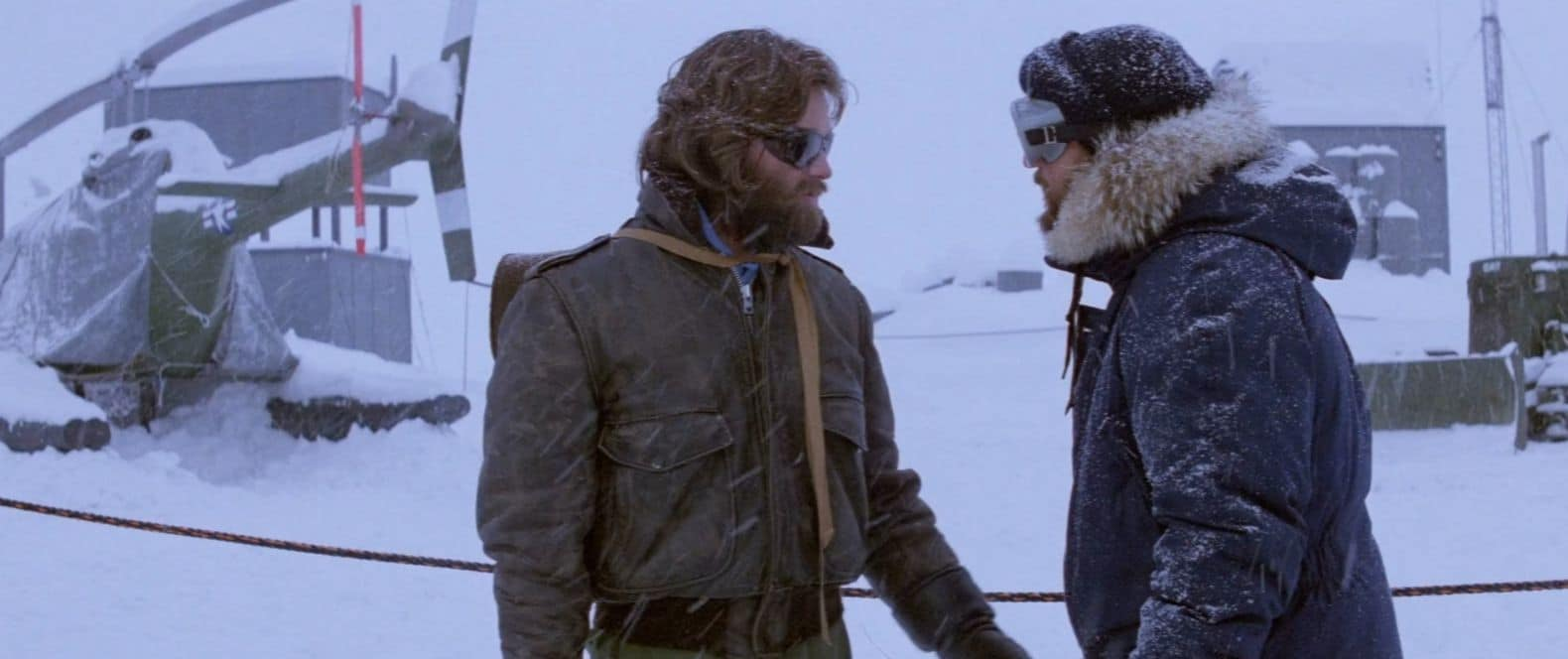
Observations of 12 polar researchers who spent ten months in isolation at Concordia Station showed that frequent interaction can increase tension and reduce productivity.
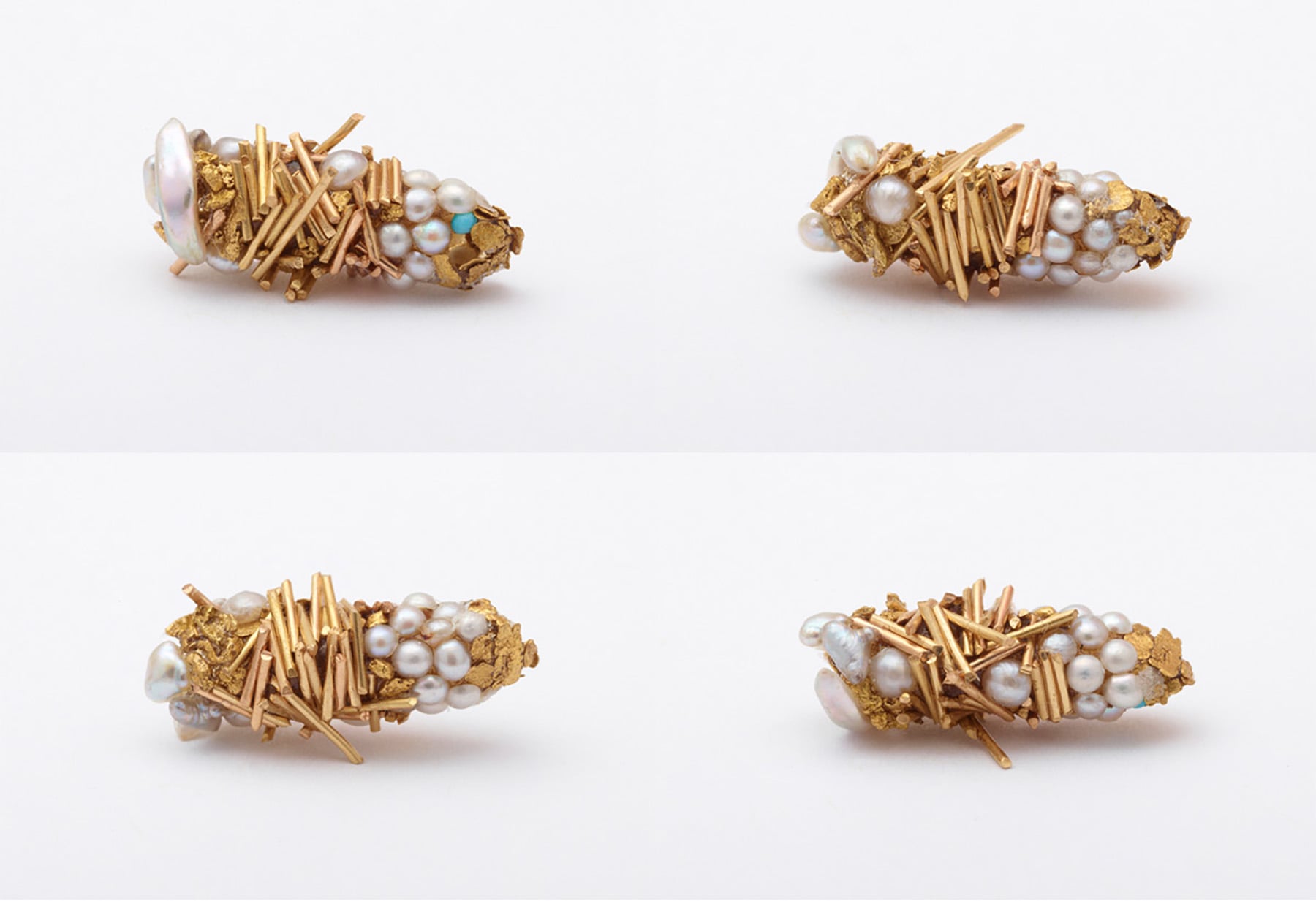
French artist Hubert Duprat offered caddisfly larvae precious materials instead of their usual natural ones.

Researchers from the University of Zurich and Agroscope buried thousands of pairs of cotton underwear and tea bags in the ground to gauge soil life by how quickly they decomposed.

Emmental now has fewer holes: modern machine milking has almost removed microscopic hay particles from the milk, and without them the cheese eyes form less well.

Mathematicians spent 15 years searching for a way to make dice for determining turn order in which every possible order of play would be equally likely.

The UN General Assembly has backed a shift to equal-area maps that show the sizes of continents more accurately.

Scientists described a fish they first noticed on TikTok: a pale creature pulled from a well near the border of India and Nepal.
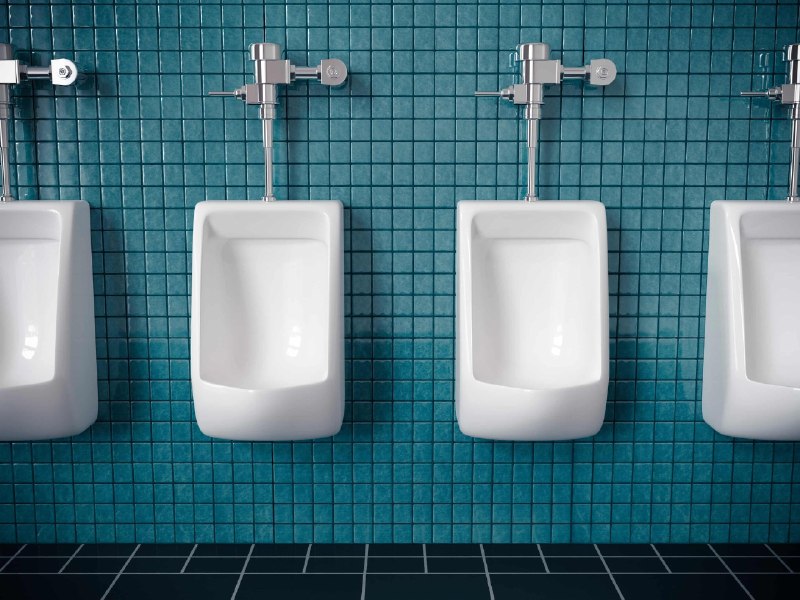
The 2026 Ig Nobel laureates proposed a way to reduce splashing in a urinal, while biologists in Brazil studied which parts of a snake’s body most often trigger a defensive bite — but the paper was later retracted for lack of the required ethical approval.

Paul Piff’s experiments suggested that people with higher status more often took other people’s sweets and behaved less honestly at work.
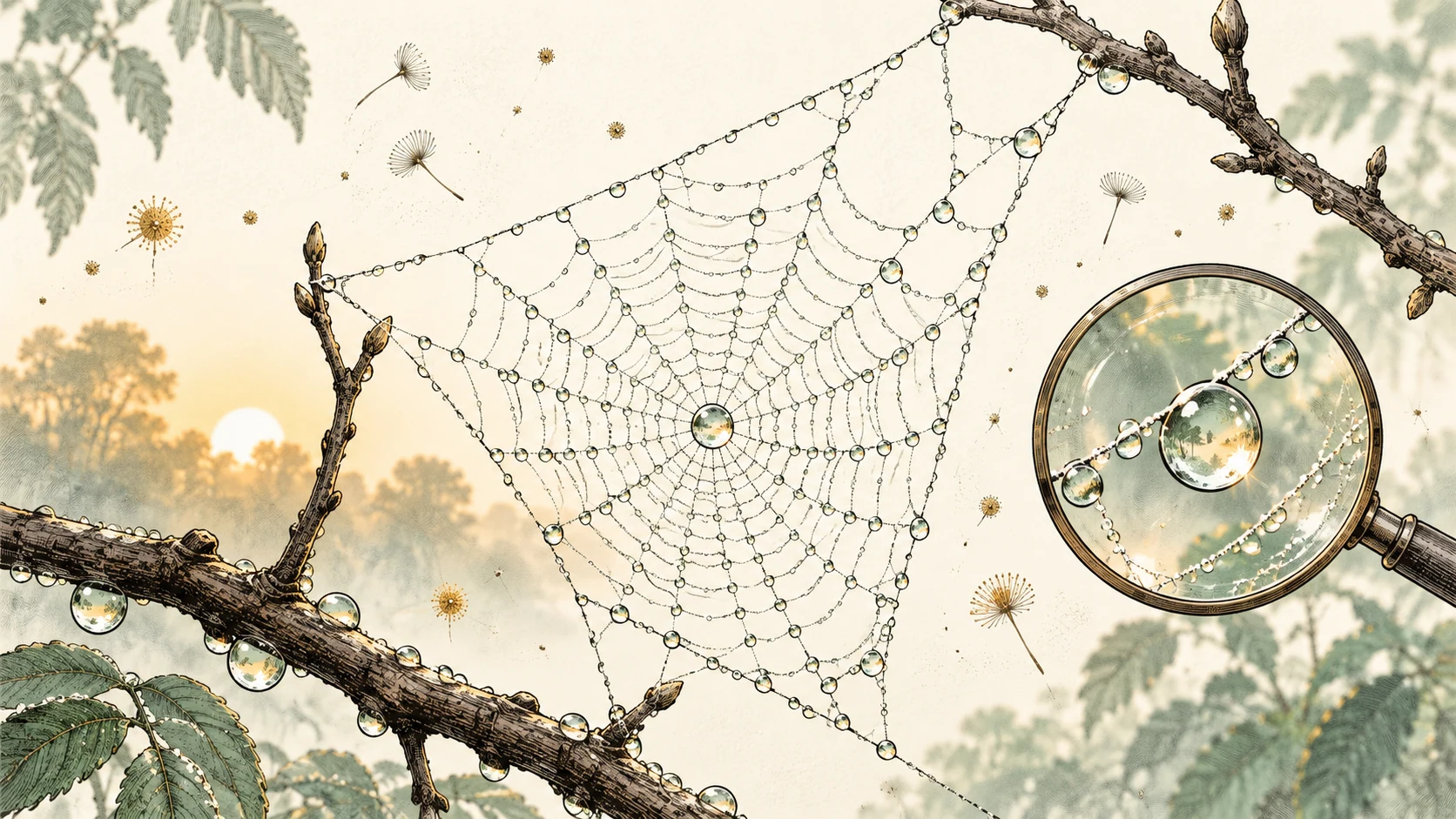
Instead of searching for the animals themselves, ecologists may be able to collect their DNA from spiderwebs.
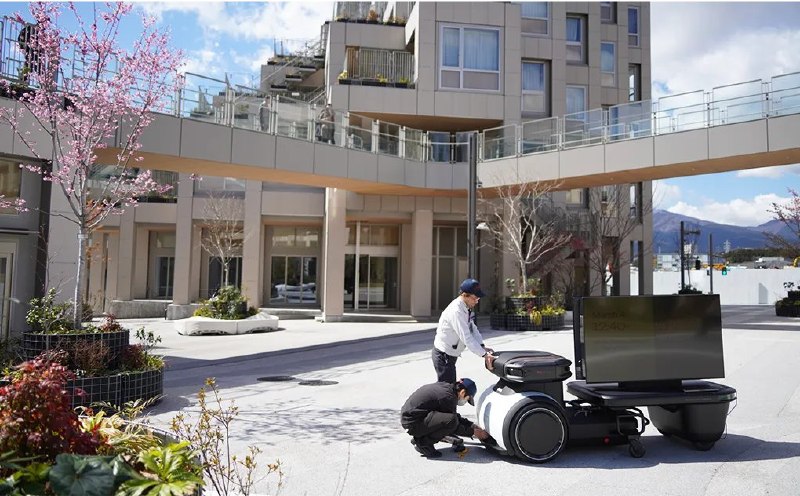
In the Japanese Woven City district at the foot of Mount Fuji, Toyota engineers, test users and their families live alongside robots and new technologies.