Emmental Swiss cheese has fewer of its famous holes. And, oddly enough, progress is to blame.
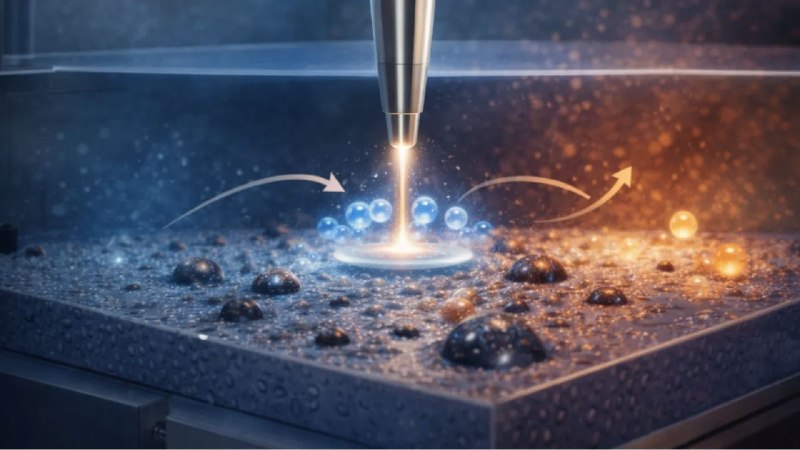
Modern machine milking has made the milk so clean that it now contains almost no microscopic hay particles. And it is these particles that help create the holes: a bubble of air remains inside the particle, and bacteria gradually “pump” carbon dioxide into it. The bubble grows, and a cheese eye forms.
A separate study in 2026 was even conducted on this. It confirmed the mechanism and showed that the size of the holes can be controlled. For this variety, eyes with a diameter of about 2–4 cm are considered normal.
Now the holes in the cheese will be saved by adding a tiny amount of natural powder made from organic hay. Not for taste — solely for the proper holes.