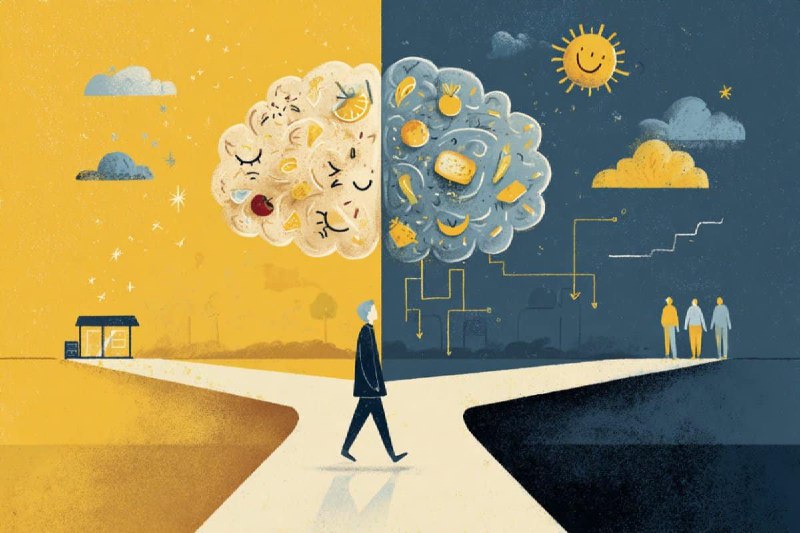
Scientists at the University of Florida conducted a large two-year study involving 128 adults aged 45 to 85. It found that certain habits can make the brain appear up to 8 years younger than a person's chronological age.
The volunteers were regularly examined with MRI scans and their "brain age" was calculated, reflecting the brain's biological condition. Those who sleep well, maintain a positive outlook, receive support and know how to cope with stress showed a noticeably younger-looking brain, even despite chronic pain or difficult life circumstances.
Particular attention was paid to the "brain age gap" — the difference between actual age and how old the brain appears on scans. The larger the gap in favor of youth, the lower the risk of age-related diseases such as dementia or Alzheimer's disease.
Interestingly, adverse factors such as pain, low income or limited education accelerate brain aging, but not as strongly as positive habits slow it down. At the same time, each additional "protective factor" strengthens the effect. And most importantly, all of this is available to most people and does not require special resources. Instead of magic anti-aging pills, a real tool is emerging: a mindful lifestyle.