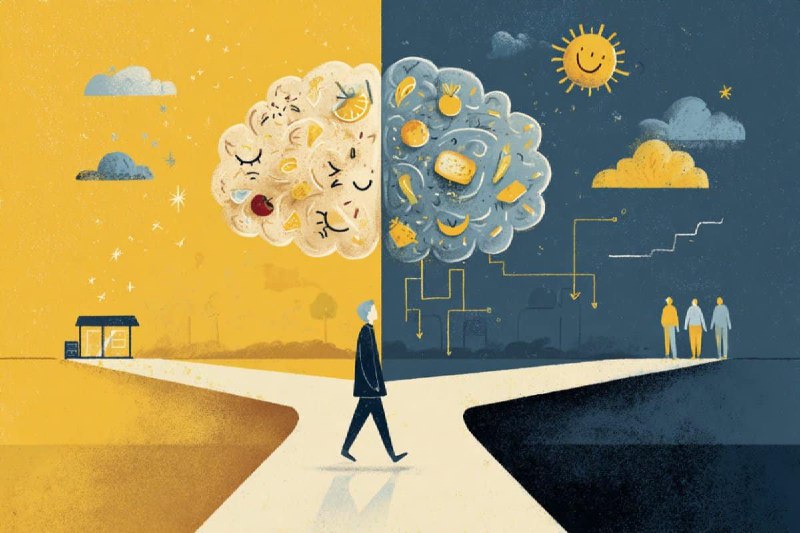
At Cornell University, researchers found that strong and stable social ties may slow the body's biological aging. The analysis included data from more than 2,100 participants.
For the first time, researchers took a comprehensive look at how the depth and stability of social ties — from childhood relationships with parents to friendships and involvement in community life — affect the body's physiological state. Using the epigenetic GrimAge and DunedinPACE methods, they found that people with high levels of social support had a lower biological age than their chronological age. They also had lower levels of interleukin-6, a molecule that signals inflammatory processes and is linked to the risk of chronic diseases.
The novelty of the study lies in its comprehensive assessment of social factors and their cumulative effect: not isolated contacts, but a stable support network creates physiological advantages. In other words, the earlier it starts, the better the result. It is not only about the number of friends, but about the depth of the ties.
It turns out that biological aging can be slowed not only by exercise and proper nutrition. Perhaps in the not-too-distant future, the advice 'don't forget to build stable, warm relationships' will appear alongside other healthy lifestyle recommendations.