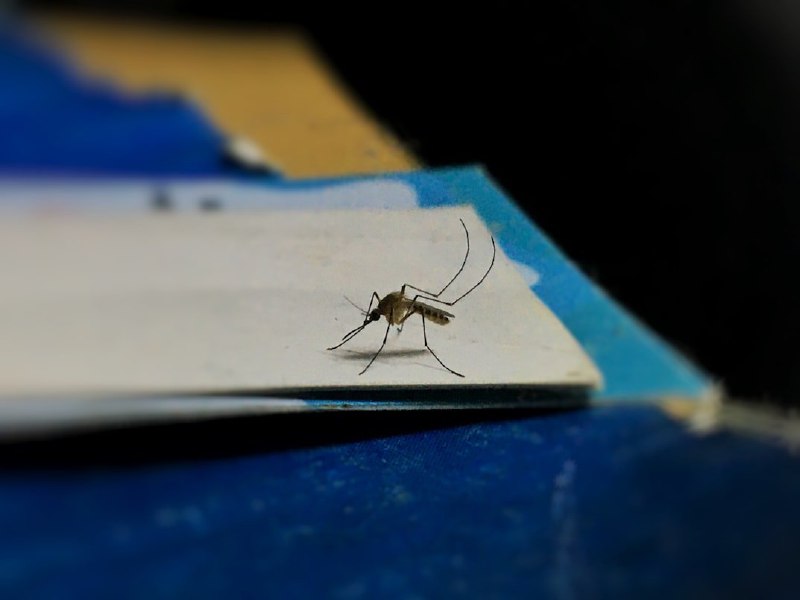
The WHO has officially approved a new type of protection against diseases transmitted through mosquito bites. Compact spatial emitters developed by scientists at the University of California, San Francisco can provide up to a year of prevention against malaria, dengue, Zika virus and other infections.
The device, about the size of a sheet of paper, works without electricity or noise, releasing safe insecticides into the air that repel mosquitoes. According to the study, they reduce the number of bites by 56% and are effective both day and night. This technology is especially important for regions with limited access to medicine — for example, in Africa, where nearly 600,000 people died of malaria in 2023.
The so-called "spatial emitters" work by dispersing insecticide into the air rather than onto the skin or through smoke. This reduces the toxic burden on the human body and allows the device to be used near children and older people without health risks. The technology opens the way to long-term, unobtrusive and affordable protection, especially relevant amid growing mosquito resistance to traditional methods. These are the first new-type insecticides in 40 years to receive official international recognition.