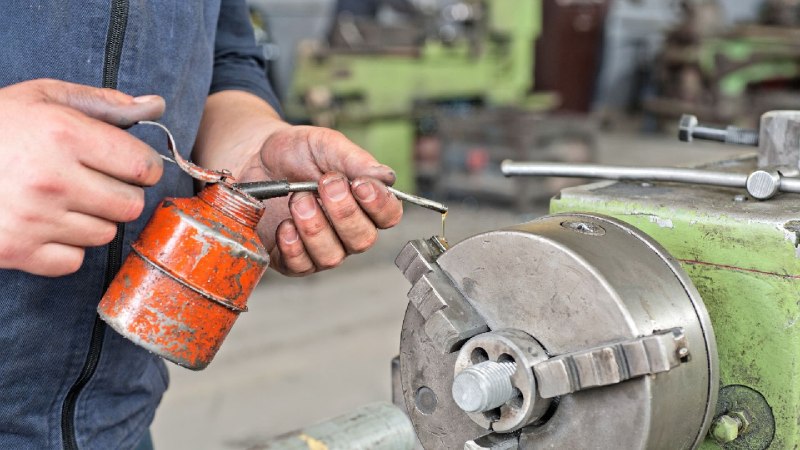
At Virginia Tech, researchers developed a way to turn PVC used in pipes, window frames and other products into polyalphaolefin, an important component of synthetic lubricating oils. These oils are used in car engines, aircraft turbines and industrial equipment.
The problem is that PVC is difficult to recycle by conventional methods. It contains a lot of chlorine and various additives, which makes remelting and mechanical recycling complicated. Instead of trying to preserve the original plastic, the researchers chemically converted it into another useful material. They developed a reaction that removes chlorine and breaks long molecular chains apart. The first samples were too soft, but after the process was refined, the material passed friction tests.
If the technology can be scaled up, it could both reduce the amount of PVC waste and produce a more valuable product from it — feedstock for synthetic lubricants.