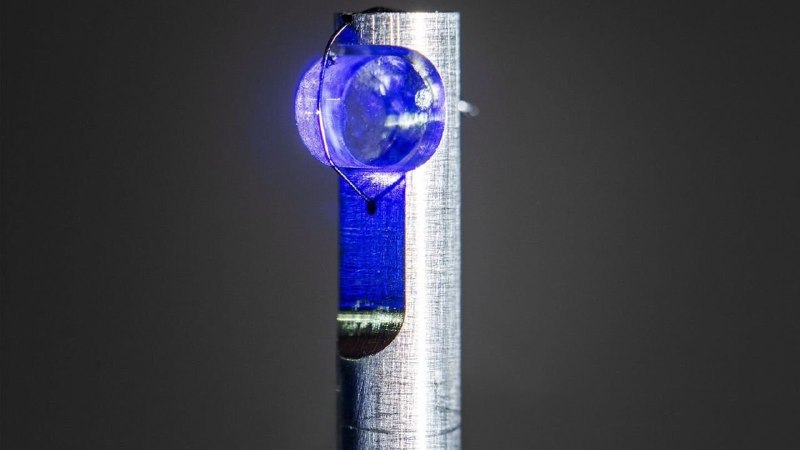
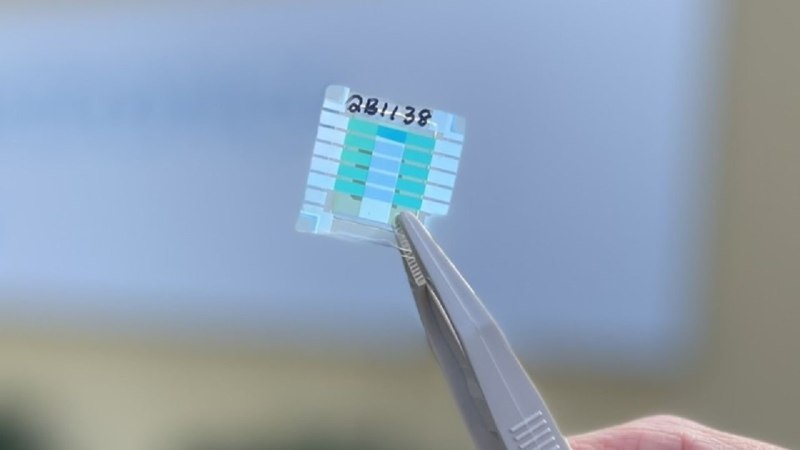
Independent research teams in Austria and China have created working prototypes of nuclear clocks. In the future, this technology could improve navigation, synchronization of communications, and scientific measurements — helping the technologies we use every day work more reliably.
How is time measured today? Atomic clocks measure time by tracking electron transitions between energy states in atoms. Their accuracy is remarkable: over hundreds of millions of years, they may gain or lose just one second.
What is different about the new approach? Nuclear clocks measure transitions inside the atomic nucleus. They use a laser and the rare thorium-229 isotope for this. The Chinese prototype is already about six times more stable than the Austrian one, but both still trail the best atomic clocks.
Why is this remarkable? The atomic nucleus is thousands of times smaller than the atom itself and is far less affected by external influences. Because of that, nuclear clocks could potentially surpass the best existing time standards.