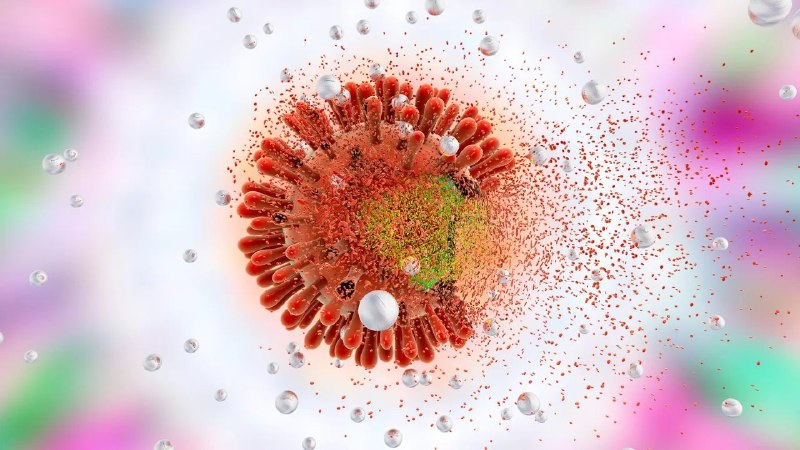
At Oregon Health & Science University, researchers achieved a result that could change the approach to HIV treatment: in newborn primates, the virus was undetectable even a year after therapy was stopped. This is especially important because HIV usually persists in hidden viral reservoirs and returns after treatment ends.
The therapy was started within the first 72 hours after infection and combined antiretroviral drugs, antibodies and the experimental drug leronlimab. It blocks one of the “entry points” into immune cells that HIV uses, making it harder to infect new cells.
The scientists believe that this early attack prevented the virus from establishing reservoirs. It now remains to be seen whether this window can be extended to two weeks and the result reproduced in humans. Results in primates do not guarantee success, but they show the main point: in the fight against HIV, time may be a key weapon.