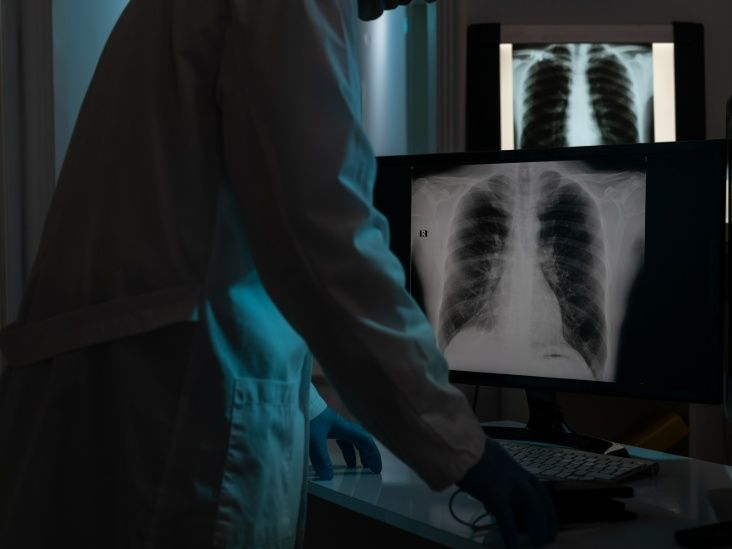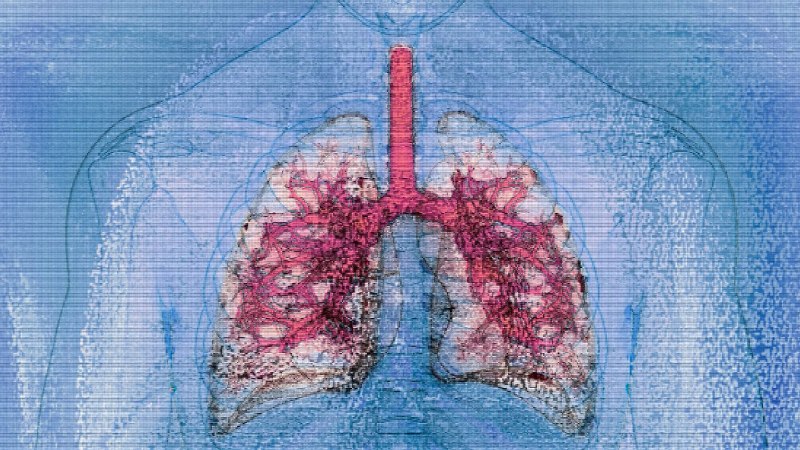
At NYU Langone Health in New York, surgeons have successfully carried out the world’s first lung transplant from an HIV-positive donor to an HIV-positive patient. At the same time, 56-year-old Bertrand Nelson also received a liver. The operation took place on March 21, 2026, and became the first such procedure in the history of transplantation.
Nelson has lived with HIV since 2000. By 2024, the patient was already dependent on oxygen, and the only remaining option was a double transplant. He has now been discharged from the hospital, is breathing independently, and is gradually regaining physical fitness.
Until recently, organs from HIV-positive donors were used very rarely. After the adoption of the HOPE Act in the United States in 2013, experimental transplants of hearts, kidneys, and livers between HIV-positive donors and recipients became possible. Lungs remained the most difficult organ because of the high risk of infectious complications, so this operation has become an important confirmation of the safety of this approach.
According to UNAIDS, around 41 million people worldwide are living with HIV today. Thanks to modern therapy, most of them lead full lives. However, when severe internal organ diseases develop, many still face an acute shortage of donor organs. This new operation shows that the potential pool of donors could become significantly larger.