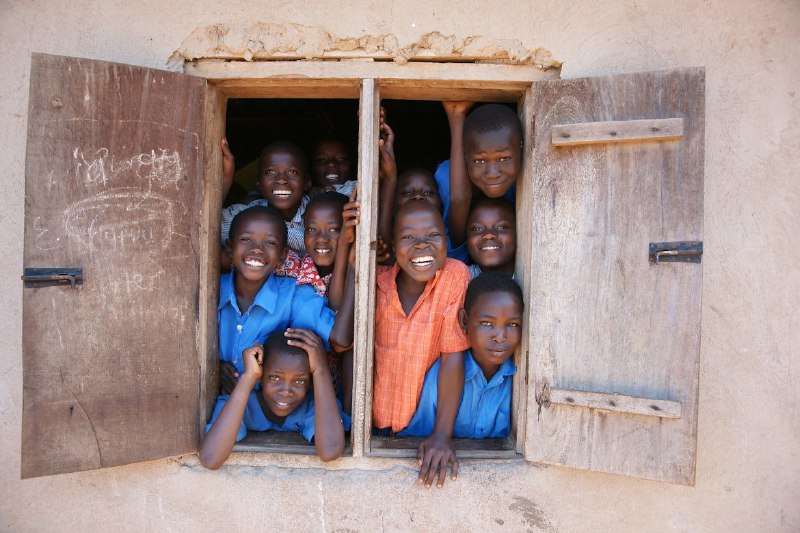
In Uganda, orphanhood has fallen sharply — from 21.5% in 2003–2004 to 6.3% in 2020–2022. This became possible thanks to the large-scale rollout of antiretroviral therapy (ART), which helps HIV-positive parents live longer. The study covered more than 92,000 children and adolescents from 1995 to 2022.
The improvement was especially strong among children whose parents were infected with HIV. In 2004, more than 67% of orphanhood cases were linked to HIV in mothers, and by 2022 that figure had fallen to 11%. The same trend was seen for fathers: from 71% to 12%.
The decline in orphanhood is not only a medical result, but also an important social one. Antiretroviral therapy allows people living with HIV to live longer and more full lives. And if a parent is alive, a child has a much better chance not only of having a happy childhood, but also of education, health, and a future.