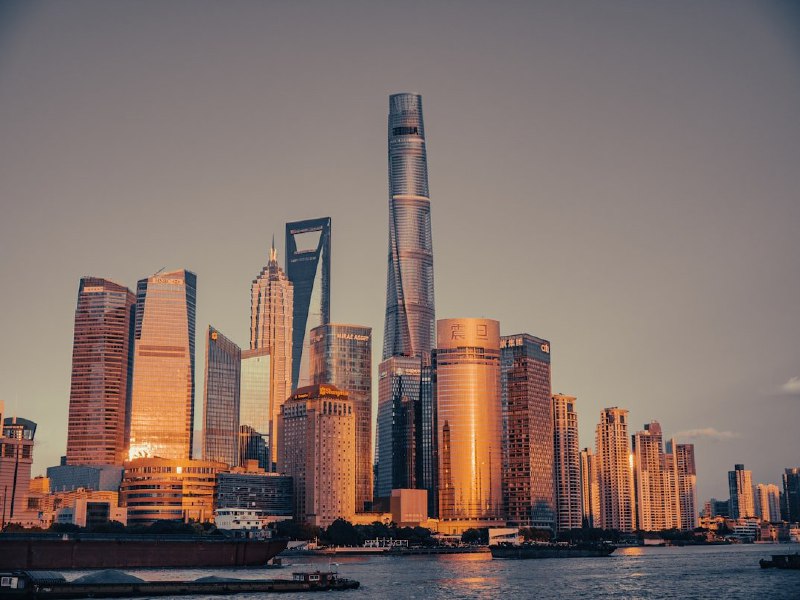
Over the past 40 years, China has transformed from a poor agricultural country into a technological superpower, becoming one of the key players in the global economy. The success was made possible by a foundation created during Mao’s era and by reforms designed to avoid “shock therapy.” The market was opened step by step, helping maintain stability, while special economic zones such as Shenzhen became hubs for investment and technology inflows.
Investments in infrastructure and education were also critical: the number of young people with higher education grew more than sixfold, ensuring a steady supply of specialists. Support for digital giants like Alibaba and Tencent helped China become a leader in e-commerce and mobile payments.
Today, the country is focusing on developing fundamental sciences and building resilient supply chains, addressing environmental challenges and an aging population through green technologies and social reforms. China’s experience shows how to combine state planning with entrepreneurial initiative, carry out reforms without upheaval, and use education and infrastructure as drivers of growth.