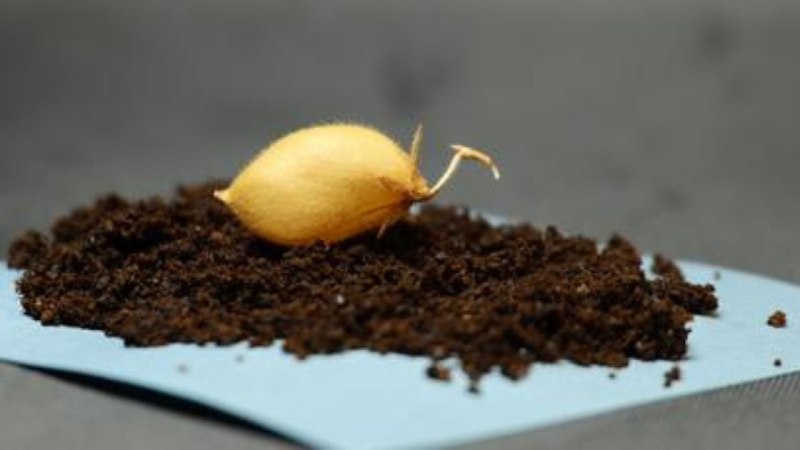
American scientists have grown and harvested chickpeas for the first time in an environment as close as possible to lunar regolith. Unlike previous experiments that used model plants or crops with low nutritional value, this was a full protein crop.
Regolith is an extremely unfavorable environment: it contains almost no organic matter and can be toxic to plants. To improve the conditions, the researchers added vermicompost and mycorrhizal fungi. This allowed the plants not only to survive, but also to form pods even when the share of “lunar” soil reached 75%.
The experiment showed that under such conditions it is possible to grow nutritious crops sustainably, rather than only isolated sprouts. The fungi also established themselves in the substrate, which opens the possibility of repeated sowing and the formation of a closed agricultural system.
The scientists are now checking the safety of the harvested crop — in particular, the level of heavy metal accumulation. These data will determine whether such produce can be used in astronauts' diets. In recent years, experiments with plants in space have become regular, but they have mostly involved leafy crops. Moving to legumes is a step toward full nutrition, not just “greens on a plate.”