In Beijing, the first World Games for humanoid robots were held. More than 500 participants from 16 countries gathered not to fix things, clean up, or work in hospitals, but to kick a ball around and dance at the opening ceremony. And it looked no worse than the Olympics — except with a little more falling over.
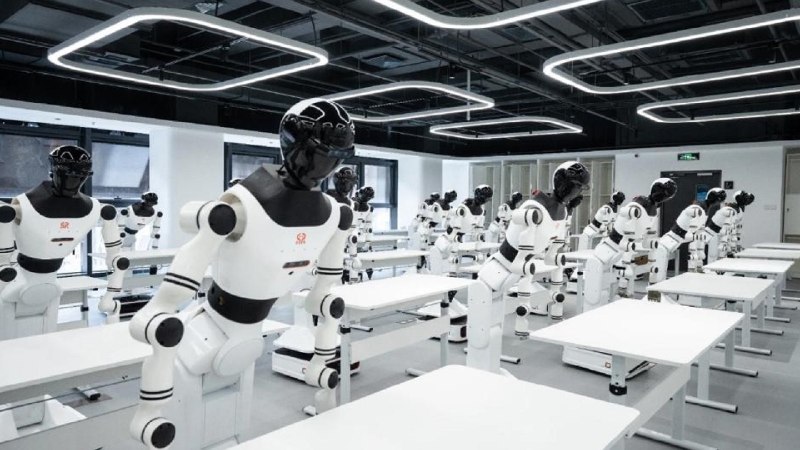
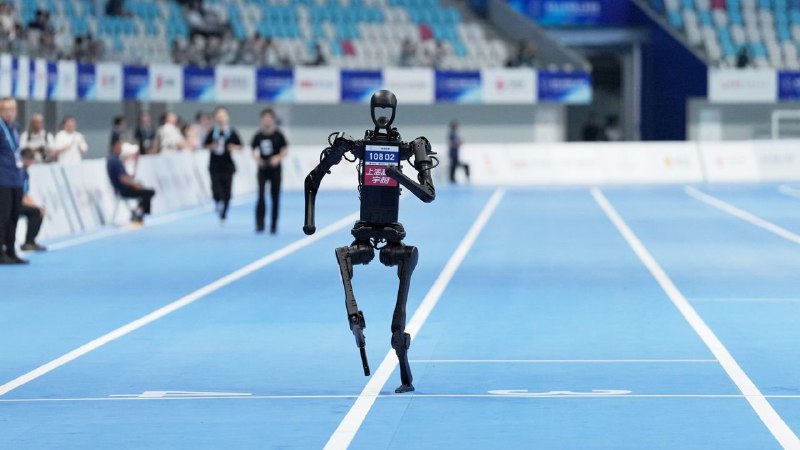
The programme was lively: football, running, kickboxing, plus “unexpected disciplines” such as sorting medicines or cleaning rooms. The records are still modest. The best 1,500-metre result was 6 minutes 34 seconds, almost twice as slow as humans. Football, too, looked more like a scramble in a yard. But the charm of the tournament was not in the results: the atmosphere was more festival-like than sporting — and perhaps that was the main success.
The organisers took inspiration from the Olympic spirit: the opening ceremony featured humans and robots dancing, and some mechanical “athletes” even played musical instruments. The result was a real celebration, where technology ceased to be dry science and became part of the spectacle.
Of course, the engineers drew plenty of lessons for future development. But setting seriousness aside, the main point of these games was the joy of experimentation. Robots do not have to be exclusively “useful.” They can also play sport, dance and fall on the field — simply for the sake of excitement, laughter and applause.