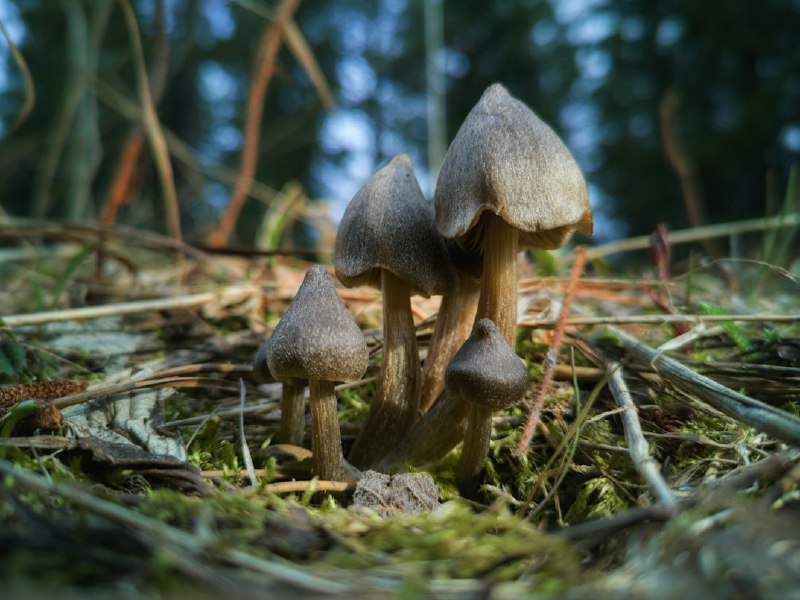
Mushrooms can do more than expand consciousness — they may also slow aging. Scientists conducted an experiment on elderly mice (roughly equivalent to humans aged 60–65). The mice were fed psilocybin once a month, and after 10 months 80% of the rodents were still alive, compared with only 50% in the control group. What is more, the mice seemed more vigorous: their fur was shinier and their eyes clearer. The scientists even noted an “improvement in overall appearance” — something like a laboratory version of the compliment, “you look great.”
But the most interesting results came in a dish. Human lung and skin cells treated with psilocin (the active form of the substance) lived almost one and a half times longer. They suffered less from stress, were better protected against DNA damage, and lost telomere length more slowly — these are the caps at the ends of chromosomes that shorten with age and cause all sorts of trouble, such as aging, disease, and unavoidable visits to the doctor. At the same time, the level of the SIRT1 protein, often called the “longevity protein,” increased.
For now, all of this is preliminary data: only female mice and selected cell types were tested. But the start is impressive. Especially considering that no serious side effects were recorded. Still, the scientists remain cautious: speeding up cell division may not only rejuvenate, but also promote tumor growth. So in the near future — more tests, more younger-looking mice, and perhaps the first volunteers.