Virtual reality is taking another step forward: a new sensory layer is being added — taste. Scientists at The Ohio State University have developed e-Taste, a technology that can transmit taste sensations over a distance. The researchers say the system reproduces taste with 70% accuracy, opening up possibilities in fields ranging from entertainment to medicine.
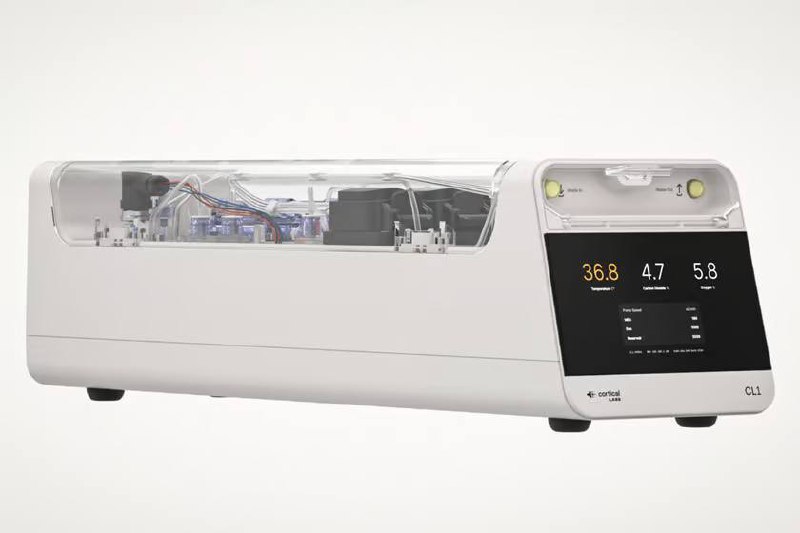
e-Taste works by combining sensors with wireless chemical dispensers. The sensors detect the key taste molecules responsible for sweet, sour, salty, bitter and umami tastes. The data is then transmitted digitally and reproduced by a remote device, creating the sensation of real taste. The technology can transmit not only basic tastes but also adjust their intensity and combine them to create complex gastronomic experiences.
Attempts to bring new sensory experiences into digital environments have been made before. As early as the 1930s, cinemas experimented with scents during film screenings. In Japan, a “smell-emitting screen” was created, and Sony recently unveiled a concept for a gaming environment that can recreate scents from a virtual world.
According to its developers, e-Taste could be used not only in the entertainment industry but also in medicine. It could help people with impaired taste perception and could also be used to train chefs and tasters. Perhaps virtual restaurants will soon become a reality, and taste will become as digital as images and sound.