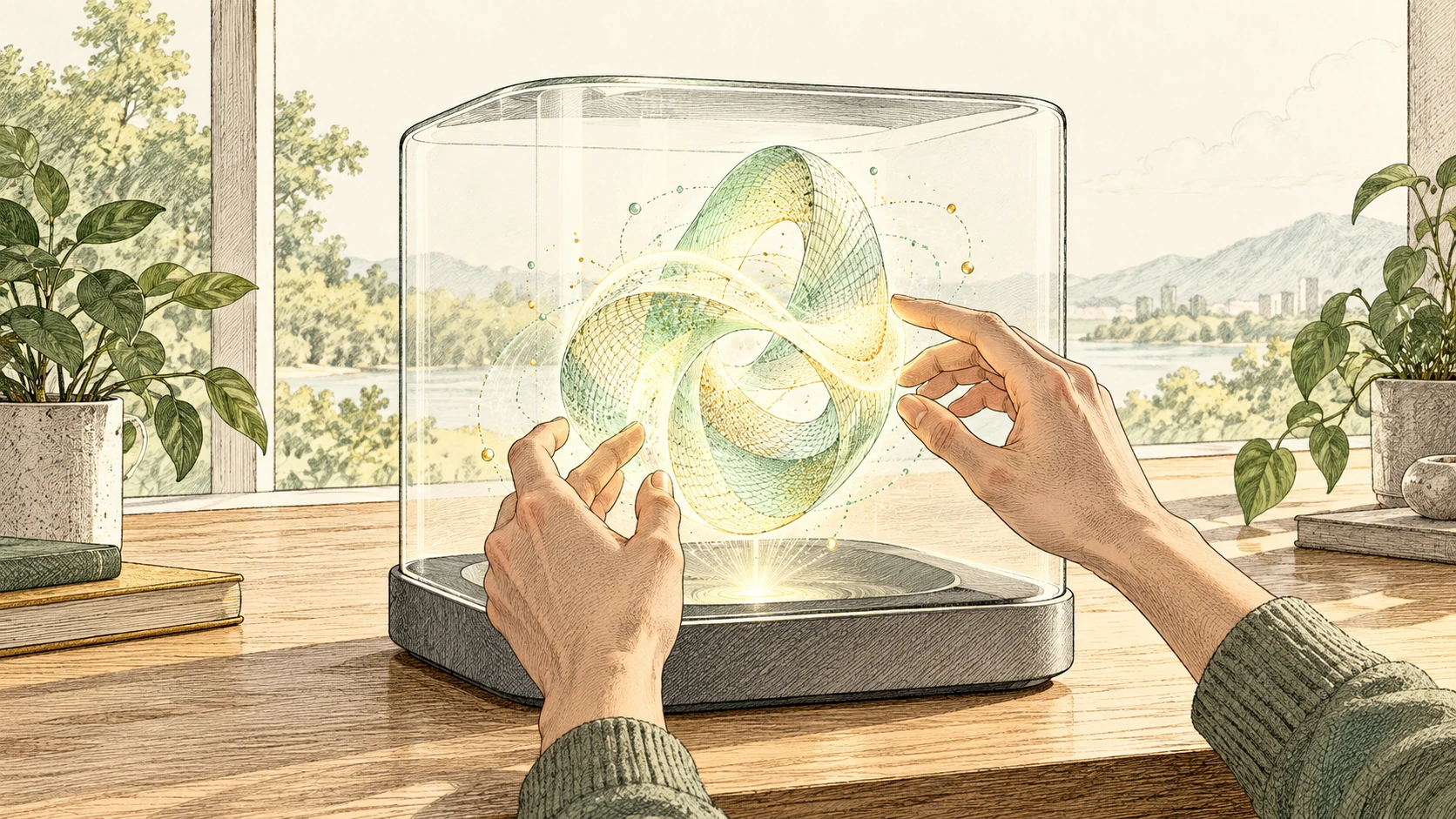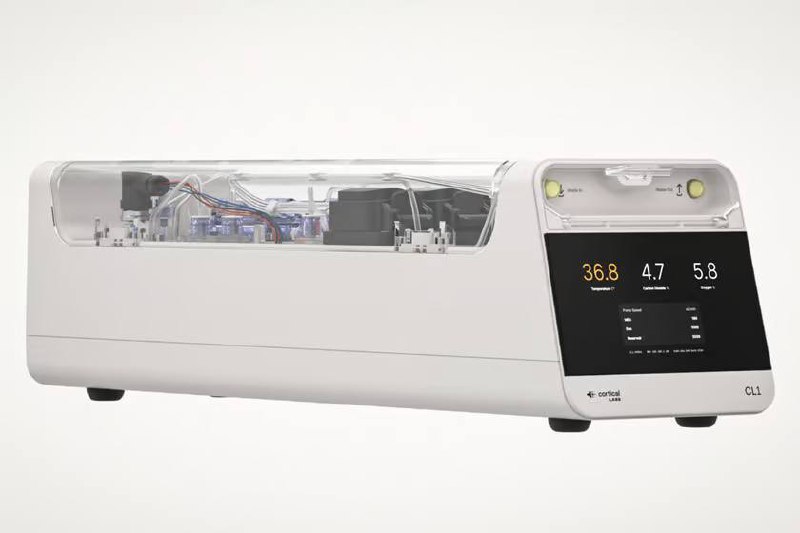
CL1, the world’s first commercial biological computer, was unveiled in Barcelona by Australian company Cortical Labs. This unique computing system uses living human brain cells alongside silicon electronics, creating a new form of artificial intelligence with rapid learning, energy efficiency and adaptability.
The technology behind CL1 is called “synthetic biological intelligence” (SBI). Brain cells are grown on special chips and integrated with digital interfaces to form a hybrid platform. Cortical Labs demonstrated the technology’s potential back in 2022, when its biosystem learned to play the video game Pong.
CL1 is now available both as a hardware solution and through a cloud service, allowing researchers and developers around the world to work with biocomputers remotely. The technology promises breakthroughs in a range of fields, from modelling neurodegenerative diseases to developing new drugs and studying how the brain works.
The possibility of creating AI that operates according to the principles of human thought opens up new horizons, but also prompts debate. Could such systems develop consciousness? Could they become a new form of life? One thing is clear: CL1 marks the beginning of an era of living computing, in which technology and biology merge.