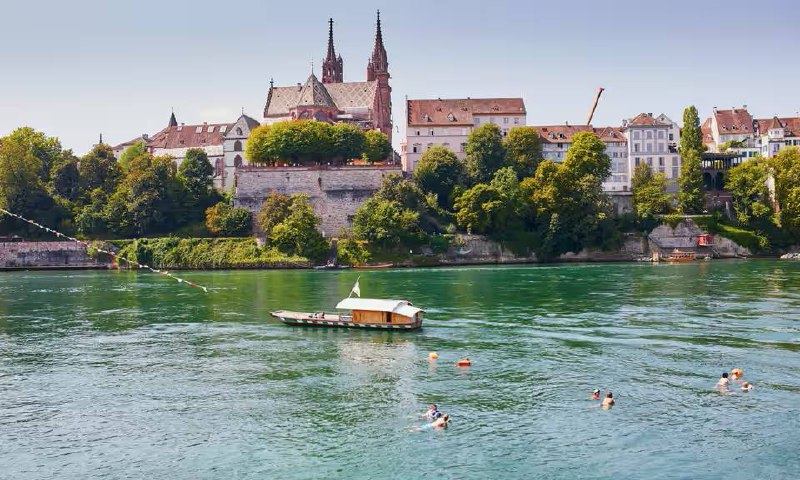
The Swiss city of Basel has become one of the world’s leaders in the number of green roofs. By 2019, there were more than 5 square meters of this type of roof covering for every resident. This was achieved through a long-running program that made green roofs mandatory for all new and renovated buildings.
The policy began in the 1990s with an initiative by residents who decided to invest in energy conservation. Later, ecologist Stefan Brenneisen developed standards defining the optimal soil depth and selection of native plants to deliver the greatest benefits.
Green roofs do more than beautify the city: they cool the air, absorb rainwater, reduce noise and improve environmental conditions. Although installing them requires significant investment, and the growth of solar energy creates competition for space, some cities, such as Hamburg, have found a compromise by combining panels and vegetation in a single project.
Basel has shown clearly that environmental initiatives work when backed by clear requirements. Other major cities may want to study this experience.