In complete darkness in the Pacific Ocean, scientists have discovered a phenomenon that does not fit conventional ideas of the chemistry of life: oxygen appearing without sunlight. An international team of researchers is launching the Dark Oxygen Research Initiative (DORI) to study this unusual phenomenon.
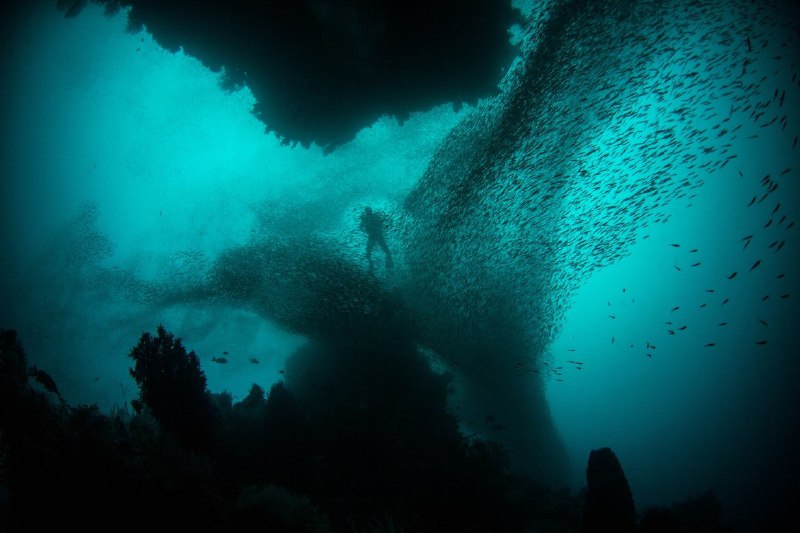
The phenomenon was first recorded in 2013 by Professor Andrew Sweetman. His subsequent research showed oxygen appearing in the Clarion-Clipperton Zone at depths of more than 4,000 meters, where photosynthesis is impossible because there is no light at all.
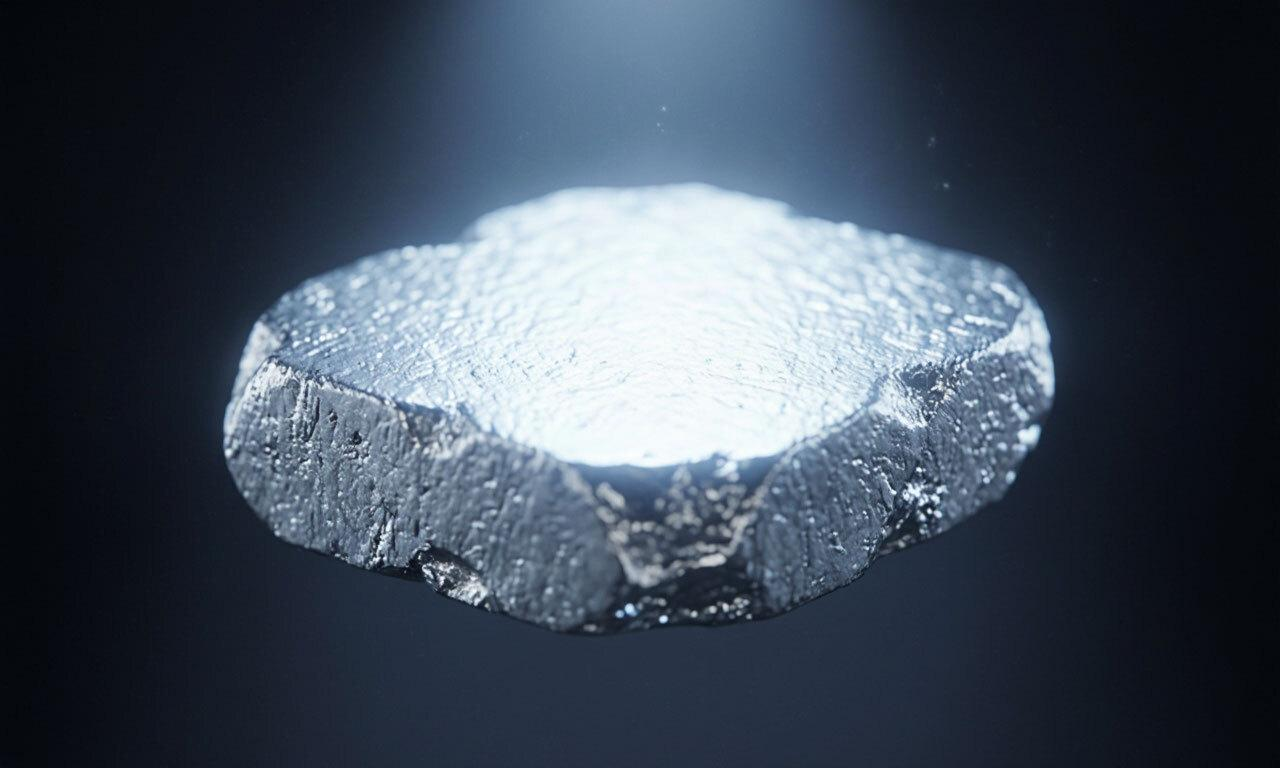
To determine the source of the oxygen, scientists have developed two deep-sea platforms, Alice and Kaya. The vehicles can operate under pressure about 1,200 times greater than atmospheric pressure. Their task is to study polymetallic nodules rich in manganese, nickel and cobalt.
One hypothesis suggests that these formations may generate an electric potential and act as natural batteries. In that case, electric current could trigger the electrolysis of seawater, releasing oxygen. An additional Aquatic Eddy Covariance probe will measure the concentration and movement of oxygen around the nodules, while the platforms will collect water samples and data on chemical processes.
If the hypothesis is confirmed, it could change our understanding of Earth’s history: oxygen in the ocean may have arisen not only through photosynthesis, but also through geochemical processes. Such a discovery would also broaden ideas about possible conditions for life — for example, in the subsurface oceans of Jupiter’s and Saturn’s moons, where light is unavailable but similar reactions may occur.
Source: Interesting Engineering