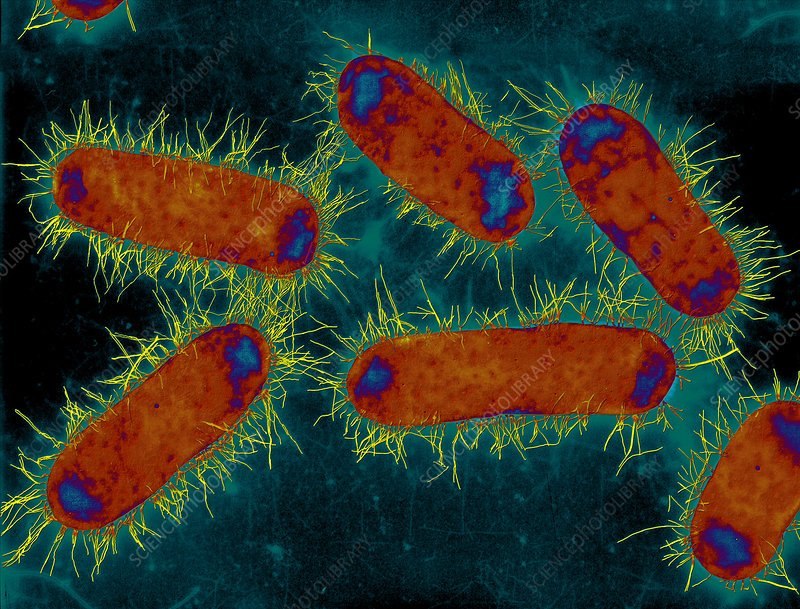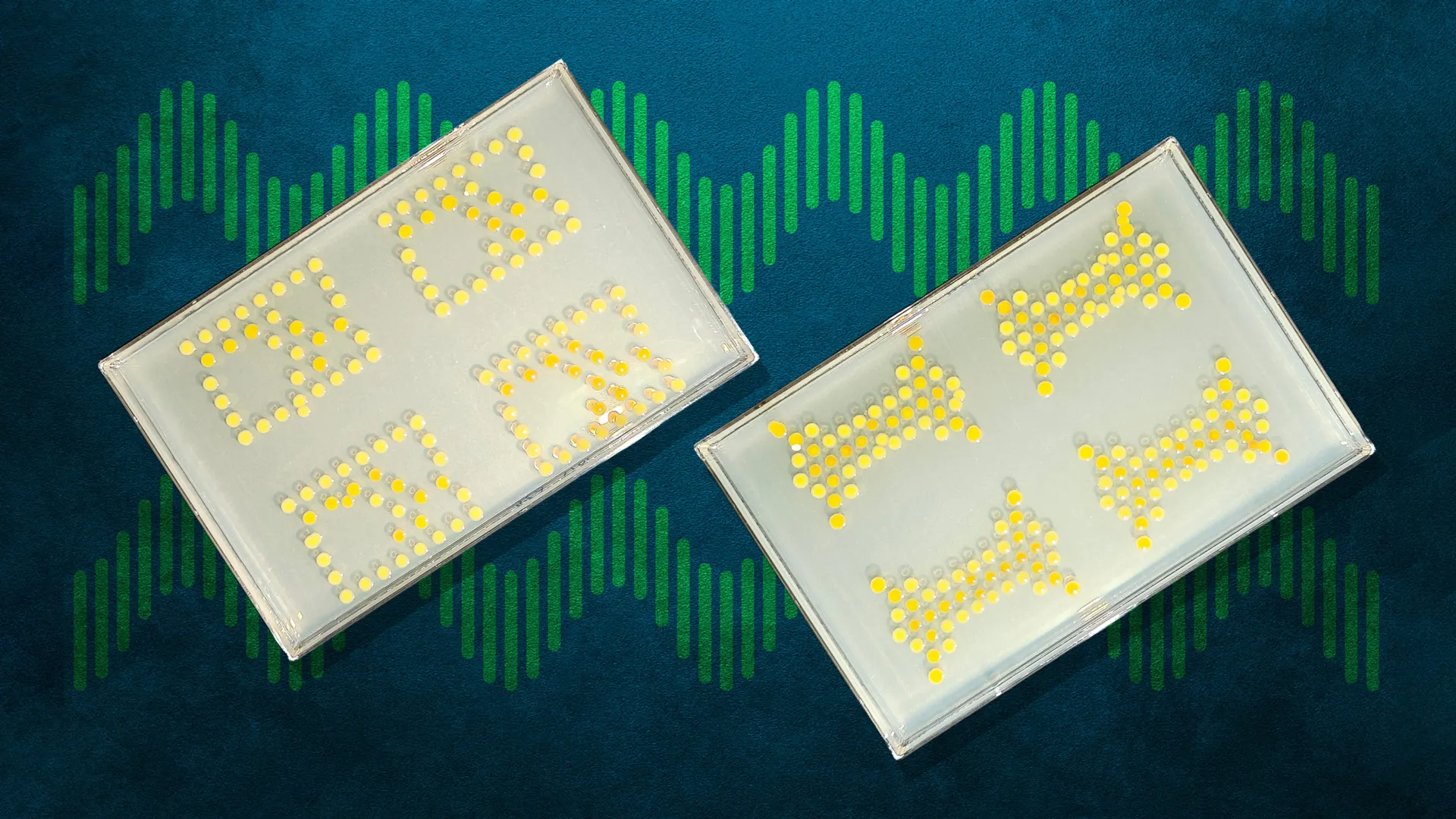
Researchers at the Massachusetts Institute of Technology have created living computational circuits from bacteria. The modified cells have learned to process chemical signals, perform logical operations and add two input signals—like a simple biological computer. In the future, such systems could help plants recognize threats and defend themselves.
Imagine a plant receiving two warnings at once: the soil is drying out, and pests are attacking its leaves. A biological system could process these signals and trigger a defensive response—like a tiny helper inside the plant.
A single computation currently takes about eight hours. But for a plant that grows over weeks, that is quite acceptable. The key achievement is that bacteria will be able not only to detect changes around them, but also to help plants respond to them.