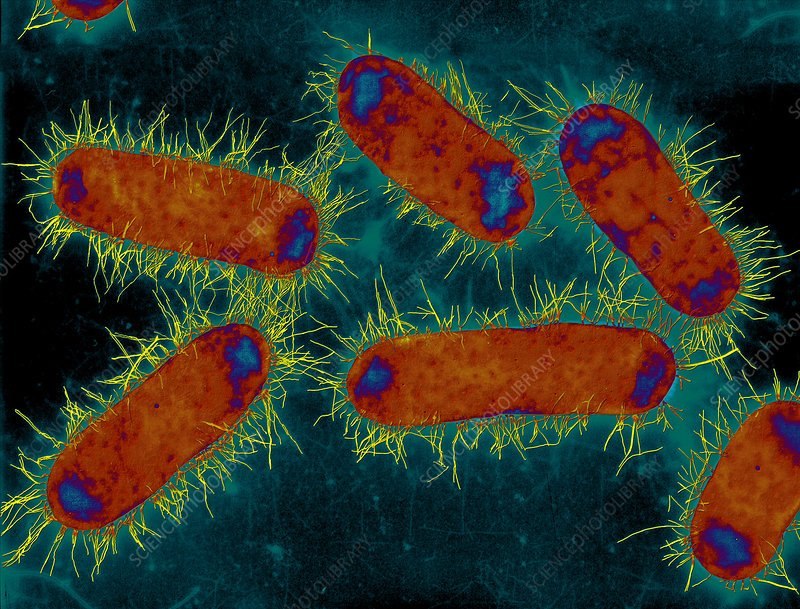
Even the simplest bacteria, it turns out, are capable of using their own experience. The study showed that Escherichia coli has a molecular mechanism that works as an analog of long-term memory. This is not memory in the usual sense, but the ability to take into account the history of changes in the environment and, thanks to that, adapt faster to recurring conditions.
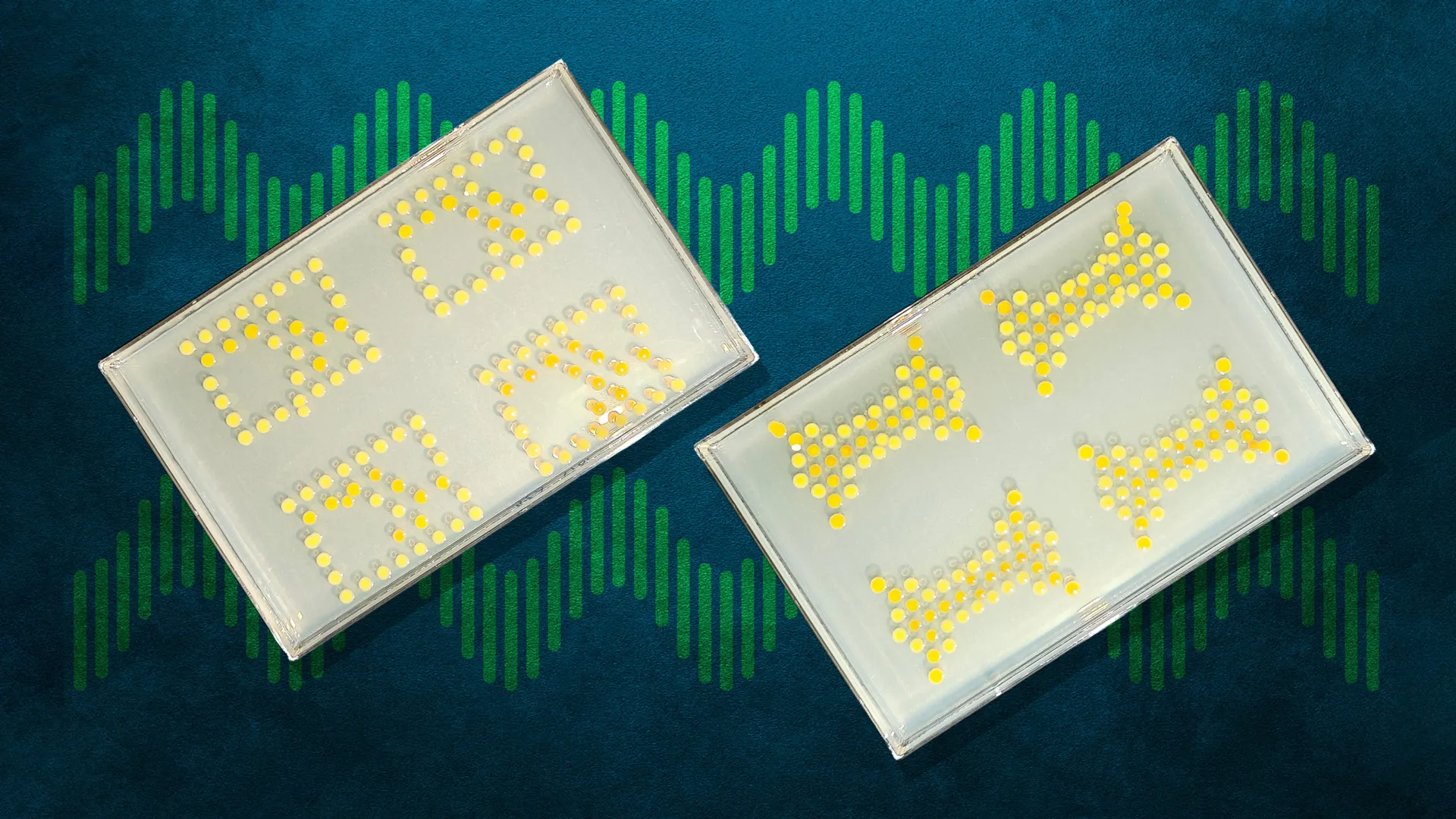
Scientists observed about 30,000 individual cells in a microfluidic chip, where they regularly switched the medium from nutrient-poor to nutrient-rich. It turned out that classic mathematical models that take into account only the current state of the cell cannot fully explain its behavior. The results were described much more accurately by a model that considered the entire history of previous changes. The experiment showed that the more often bacteria encountered changing conditions, the faster they adapted to the next influx of nutrients. At the same time, cells prepared for possible starvation divided slightly more slowly in favorable conditions.
The organization of this mechanism resembles continuous recurrent neural networks used to process sequences of data. And the distribution of ribosomes is similar to the “gating” mechanism in LSTM architecture, where the system decides what information to keep for a long time and what to forget quickly. Of course, this does not mean that bacteria “think” like neural networks. This is only a matter of similarity in the mathematical principles of information processing.
The work opens up a new direction in the study of cellular memory and helps to better understand how living systems adapt to a changing world. The study changes the understanding of the capabilities of even the simplest living organisms. It shows that the ability to take past experience into account appeared in nature long before the emergence of the nervous system. This opens new directions for research at the intersection of biology, physics, and mathematical modeling.