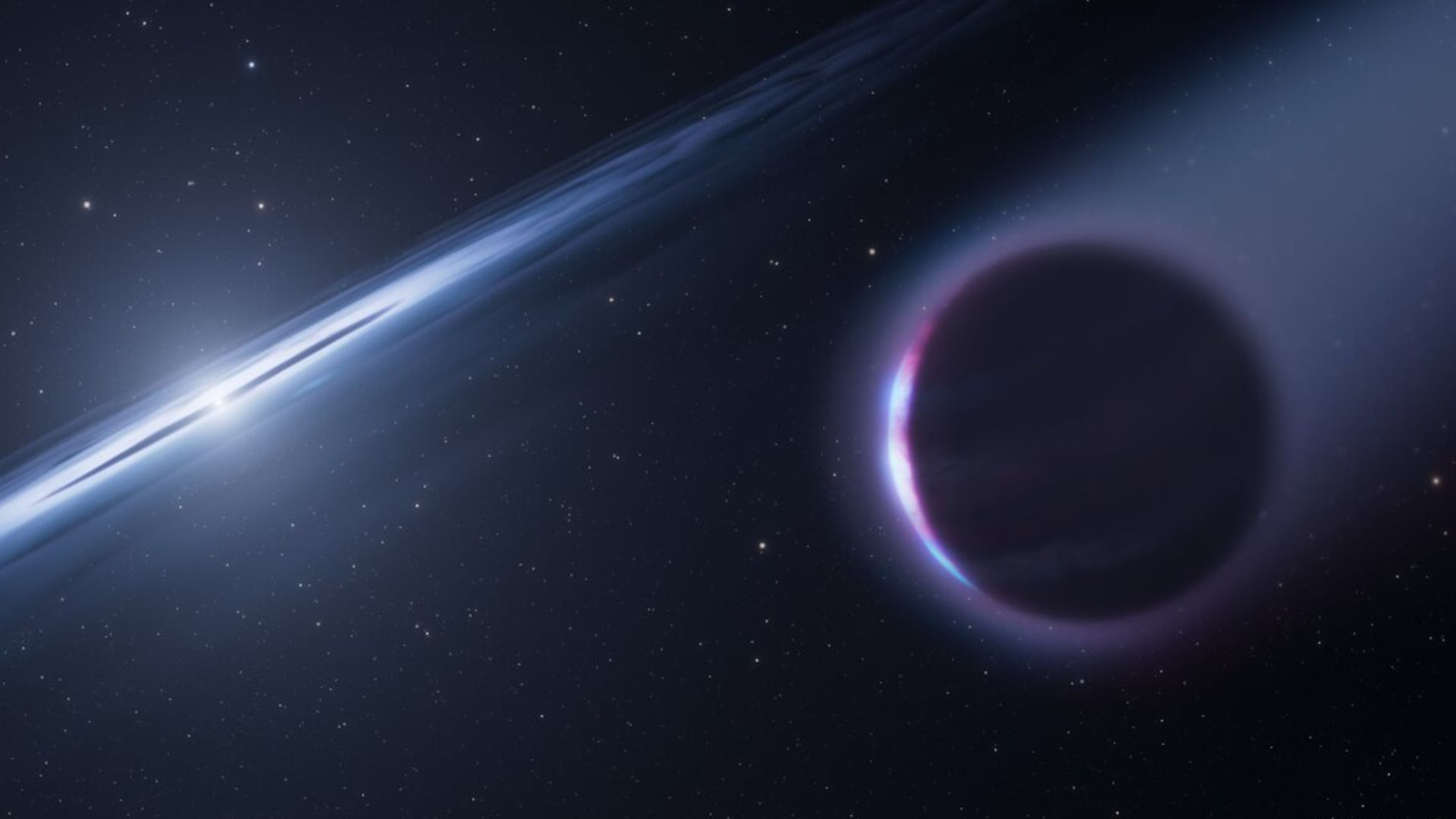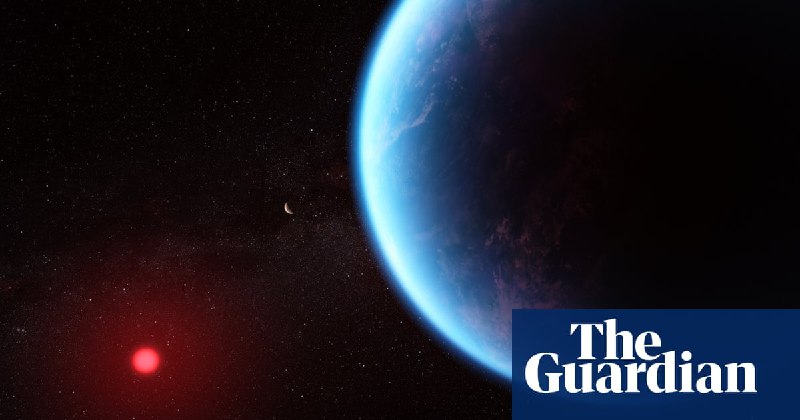
Astrophysicists from the University of Cambridge, using the James Webb Space Telescope, have for the first time detected in the atmosphere of the exoplanet K2-18 b potential markers of life—chemical compounds dimethyl sulfide and dimethyl disulfide. On Earth, these substances are almost always associated with activity of living microorganisms, primarily marine.
Discovered in 2015, K2-18 b is 124 light-years away from us. It orbits a cool red dwarf star and is about 2.6 times larger than Earth. In 2019, signs of water were found there, and only now has it become possible to study its atmosphere in greater detail. For astronomy, this is a significant step: for the first time beyond the Solar System, spectra have been obtained that clearly correspond to compounds associated with life.
However, scientists emphasize that the data are not evidence of life yet, only a strong hint, and that alternative chemical processes could produce these compounds without living matter. Even so, the precedent is unique. This is a new development in exoplanet research methods and another step toward answering a fundamental question—whether we are alone in the Universe.
Source: The Guardian
URL: https://www.theguardian.com/science/2025/apr/17/scientists-hail-strongest-evidence-so-far-for-life-beyond-our-solar-system
Source date: 2025-04-16T23:18:23.455Z