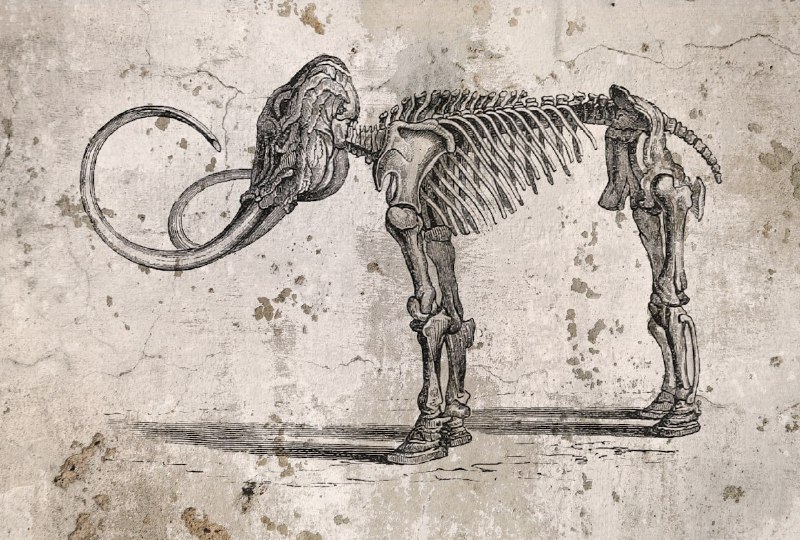
For the first time in history, scientists have decoded the RNA of a woolly mammoth — the molecule that carries information from DNA to proteins. Until now, it was believed that such fragile structures could not survive for so long.
An international team from the University of Copenhagen and Stockholm University sequenced RNA from mammoth tissues that had remained frozen in Siberian permafrost for about 39,000 years. Particular attention was drawn to the young mammoth Yuka. Its gene activity at the time of death showed signs of severe cellular stress, matching damage from the claws and bites of a predator. This is effectively a "snapshot" of how cells were working in the final hours of life. In addition, Yuka, previously thought to be female, turned out to be male — this was established through genetic markers.
The main achievement is not only the decoding of RNA, but also the development of a method that makes similar research possible for other extinct species. Now it is possible to study not only what is written in DNA, but also how genes actually worked in a living organism. This discovery changes our understanding of how deeply we can look into the lives of creatures that disappeared long ago.