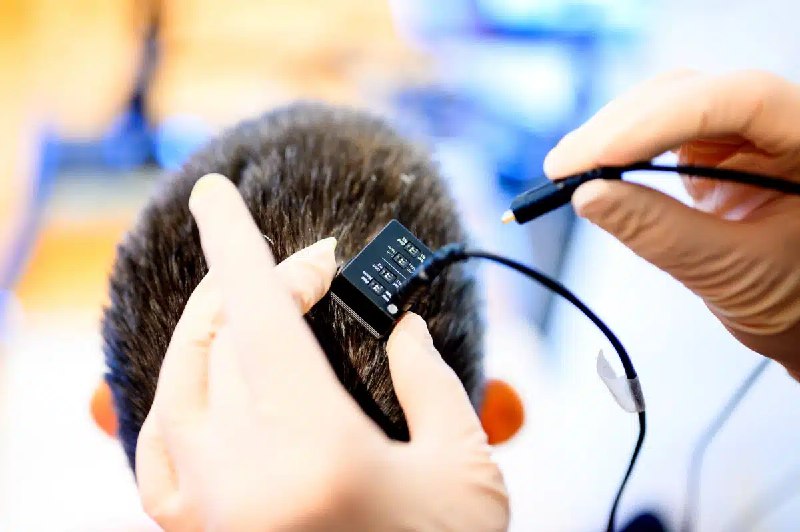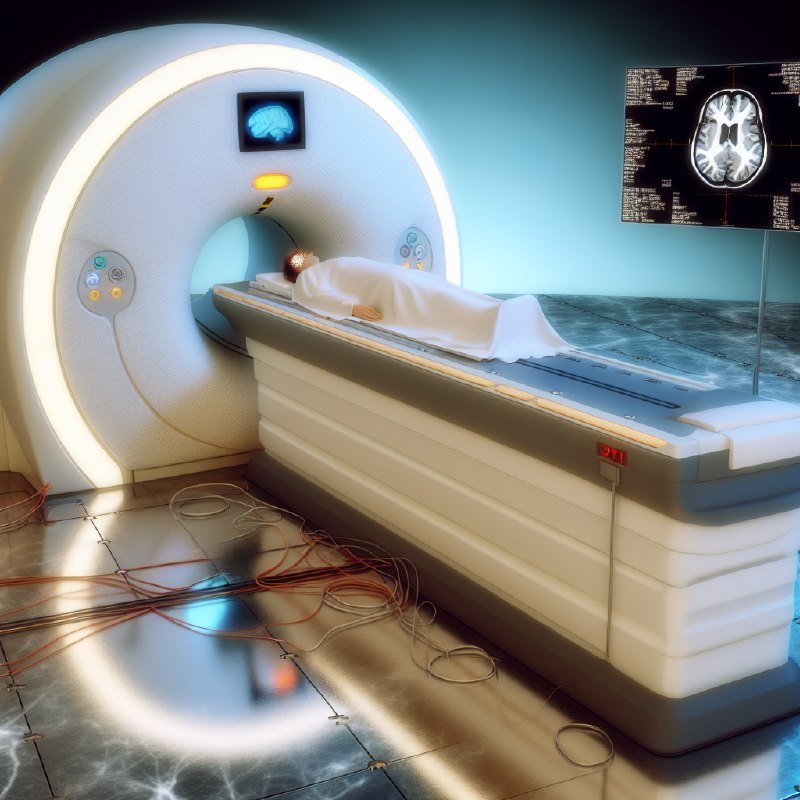
British researchers developed a technique that uses ultra-powerful 7-tesla MRI to identify microscopic changes in the brain in cases of treatment-resistant epilepsy. These changes often remain unseen on standard scans, which can prevent patients from being considered for surgical treatment.
The study used a “parallel transmission” technique with multiple transmitters positioned around the patient’s head. Out of 31 participants who did not have a definitive diagnosis, 18 had changes in their treatment approach, and 9 were given the opportunity for surgery.
Every third person with epilepsy has a treatment-resistant form. The technology could help up to half of these patients, which is about 20% of all epilepsy cases. This approach represents an important step in medicine by enabling more precise detection of epilepsy foci, which in turn significantly increases patients’ chances of full recovery.