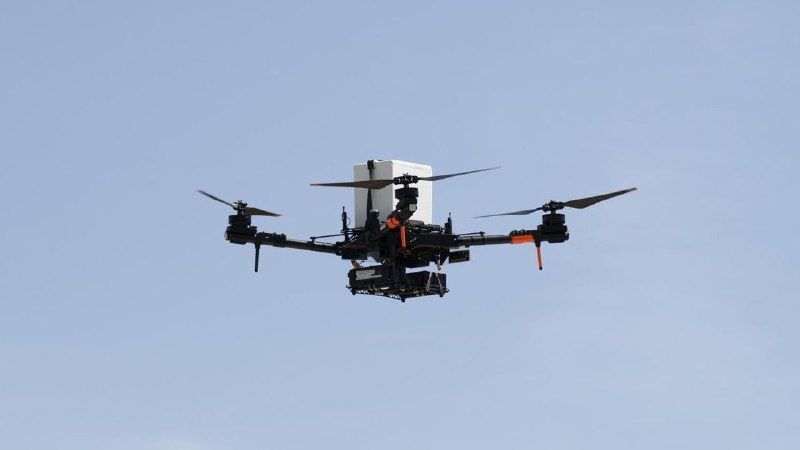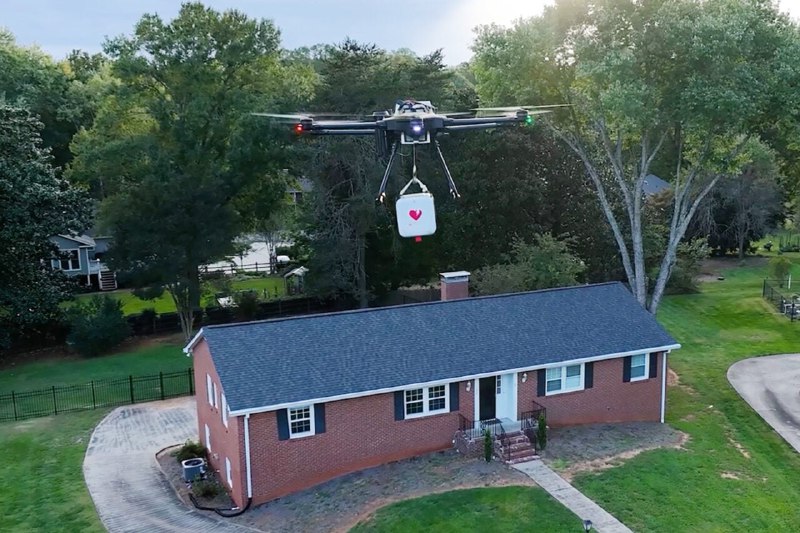
When the heart suddenly stops, the outcome depends largely on how quickly first aid arrives. Ground emergency response services, even when highly effective, are inevitably limited by road infrastructure and distance. Against this backdrop, a number of countries have begun deploying drones equipped with automated external defibrillators — a technological solution that can deliver critical medical equipment directly to the scene.
One of the first countries to use AED-carrying drones in practice was Sweden. As early as 2021, successful tests there showed that a drone delivered a defibrillator on average twice as fast as an ambulance, especially in suburban and rural areas. The projects are supported by regional health services and are gradually being scaled up. Similar initiatives are being carried out in the Netherlands, Israel, and in some U.S. states.
According to statistics, if a defibrillator is used within the first 2–5 minutes after cardiac arrest, the chance of survival can reach 50–70%. Drones do not replace ambulances, but they save the most valuable thing — time.