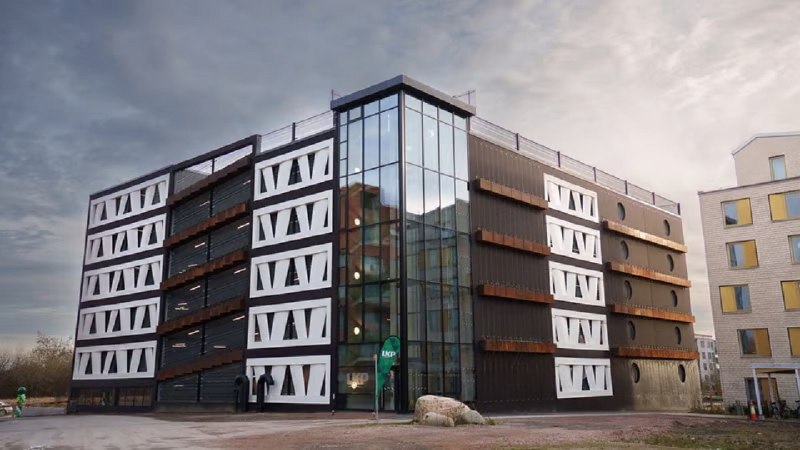
In the Italian city of Brescia, a data centre has started operating that will use heat from servers to provide heating for homes. After reaching full capacity, the facility will be able to supply heat for more than 1,350 apartments and reduce CO₂ emissions by 3,500 tons annually. A similar system is already working in Finland. In the city of Mäntylä, residents receive heat from the local data centre, and Microsoft is building a centre near Helsinki that is expected to cover up to 40% of the heating needs of the city of Espoo—around 100,000 apartments.
The projects use a closed-loop liquid cooling system. Water heated by the servers is routed to municipal heating systems. There, it is further processed to reach the required temperature and then flows into residential buildings. This helps avoid overheating the surrounding environment, reduces CO₂ emissions, and requires less energy for heating.
Legislative initiatives add extra momentum. Starting in 2026, data centres in Germany will be required to reuse at least 10% of waste heat, and in the EU they must provide reports on energy efficiency. These technologies and initiatives are a real step forward—turning a problem into a solution.
Source: World Economic Forum (02 July 2025)