Recognising a face glimpsed in a crowd years ago is impossible for most people, but quite ordinary for those known as super-recognisers.
These people have an extraordinary ability to remember and identify faces. This rare trait is found in less than 2% of the population. For some, however, it is not just a curious characteristic but a real job. They are hired by police, security services and special units where it is necessary to find a suspect from a fragment of footage or a fleeting photo. Sometimes their work proves more effective than facial-recognition algorithms or AI-powered surveillance cameras. Super-recognisers have already helped investigate high-profile cases. In London, Berlin and other cities, there are separate units where such employees work on a permanent basis.
Scientists at the University of New South Wales found out what lies behind this ability. The study involved 37 super-recognisers and 68 ordinary volunteers. First, the researchers recorded which parts of the face the participants looked at. They then reconstructed the visual information super-recognisers receive.
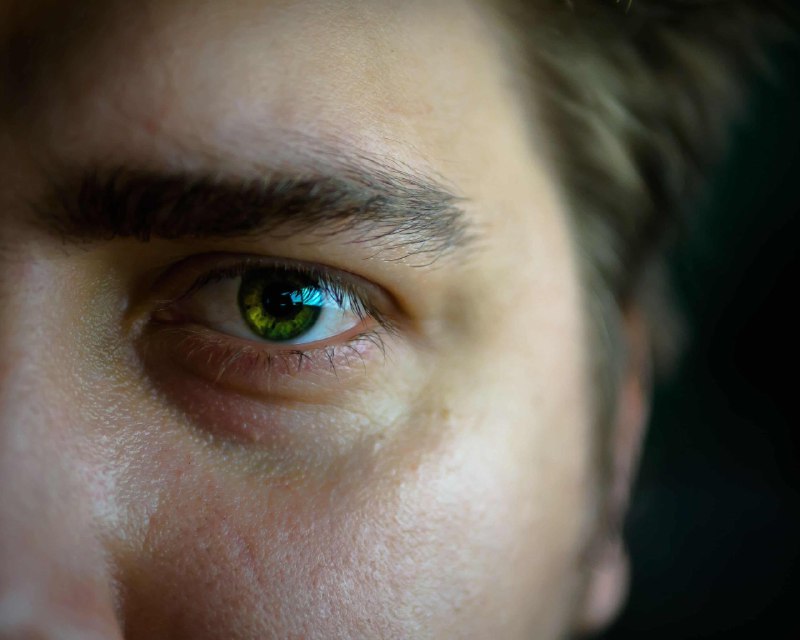
It turned out that super-recognisers do not simply look more — they look more precisely. Even with the same amount of information, they choose the most significant parts of the face: the line of the eyes, the shape of the eyebrows, the distinctive curve of the mouth.
This study offers hope for creating new training systems for security services and, perhaps, for improving AI algorithms so that they can imitate this strategy.