The Nobel week is not only about scientific discoveries, but also about ideas that change society, the economy and our understanding of justice.
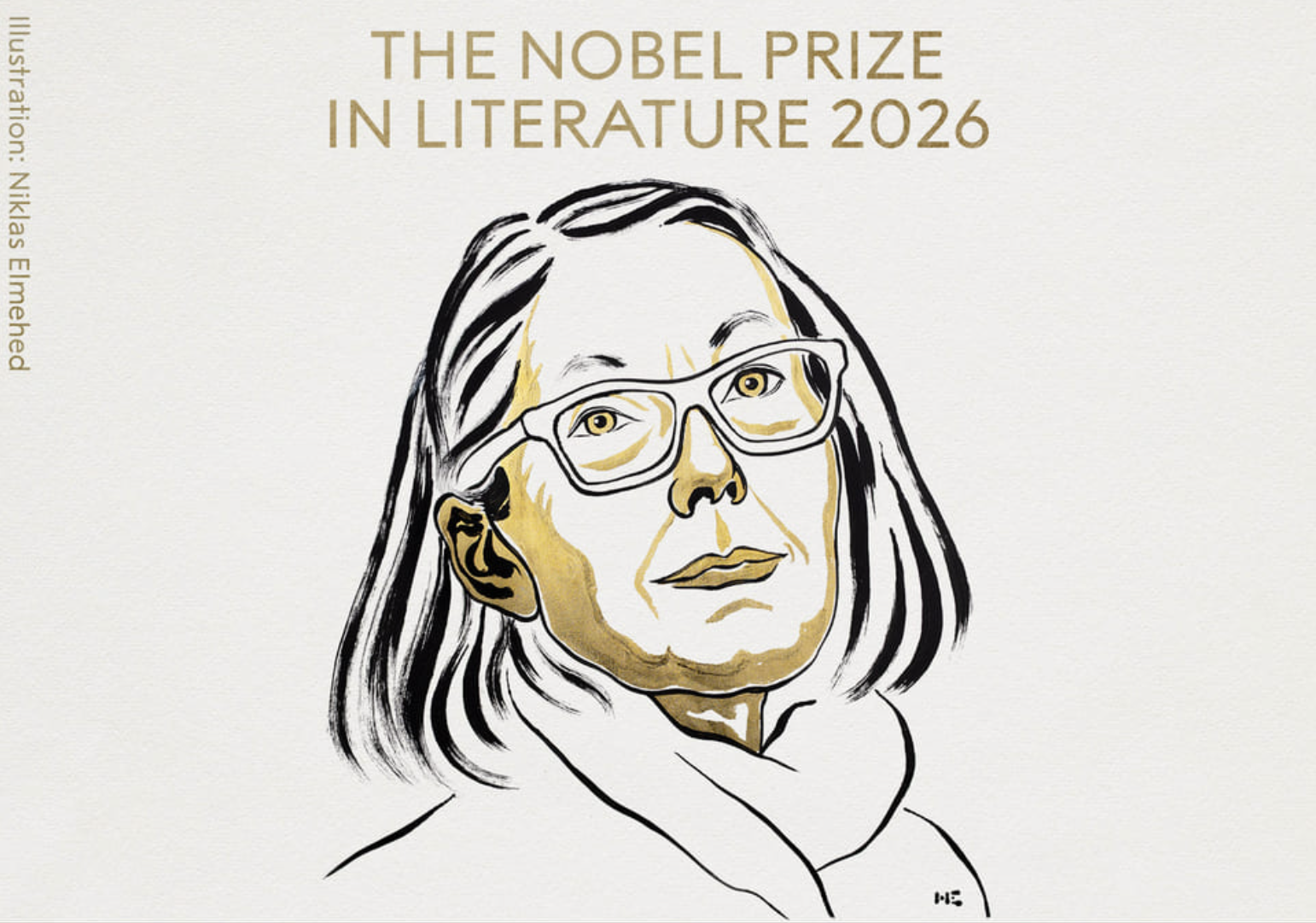
In literature, the prize went to Canadian writer and poet Anne Carson for “her bold and innovative work, which, in playful dialogue with the classical tradition, created new forms for modern literature.”
The Peace Prize was awarded to South African human rights advocate Navanethem “Navi” Pillay for her contribution to the fight against apartheid — a system of racial segregation in which Black people in South Africa were for decades denied rights and people were separated by skin color.
The economics prize was awarded to American scholars Robert Hall and Michael Woodford for research that helps explain how economic policy can soften crises.
The three awards have different stories, but a common meaning: ideas have the power to change the world, whether in the pages of a book, in economists’ decisions, or in the struggle for equal rights. And sometimes it is human courage and the ability to think differently that become the beginning of major change.