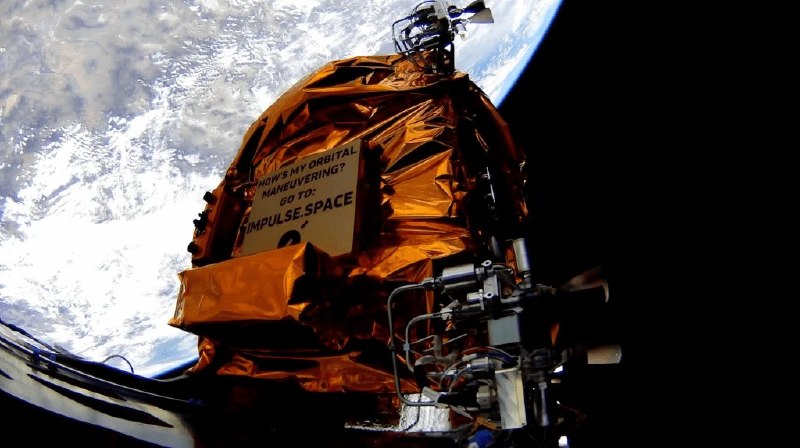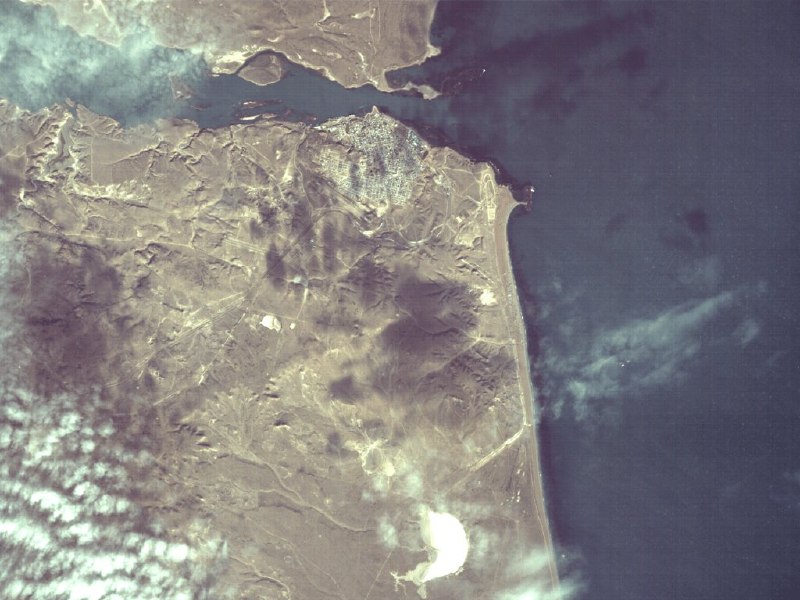
Earth observation satellite Yam-9 has for the first time independently searched for objects using a text query directly in orbit, without the involvement of specialists on Earth. This is the first publicly described case of a vision-language model (VLM) being used in space — an artificial intelligence model that analyzes images and understands natural language at the same time. For the demonstration, NASA JPL specialists used Gemma 3 from Google DeepMind, and the NAVI-Orbital software environment was specially adapted to run on the satellite’s limited computing resources.
During the tests, the system successfully found the specified objects. Instead of sending huge volumes of images back to Earth, after which specialists or algorithms would search for the needed data, the satellite carried out the initial analysis itself and selected the most useful information. This approach reduces the load on communication channels and significantly speeds up the delivery of results.
Yam-9 was built by Loft Orbital as a platform for testing orbital AI technologies. The spacecraft is equipped with an Nvidia Jetson Orin AGX graphics processor. According to the developers, in the future such systems could perform complex observation tasks in near real time, and the next generation of satellites will no longer be merely “flying cameras.” They will be able to understand assigned tasks on their own, choose truly important events, and interact with operators almost like digital assistants.