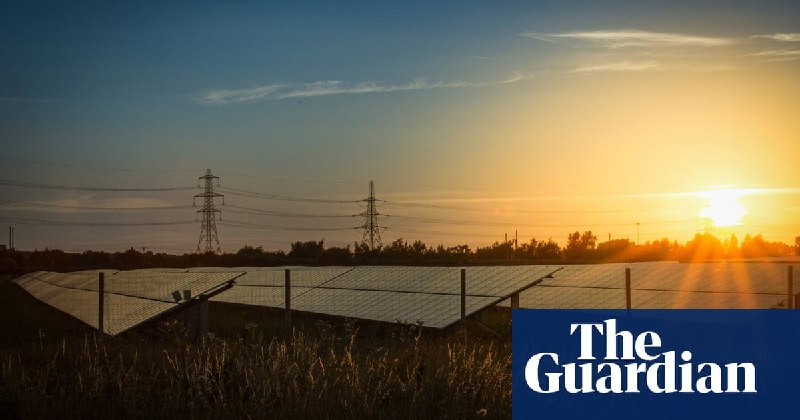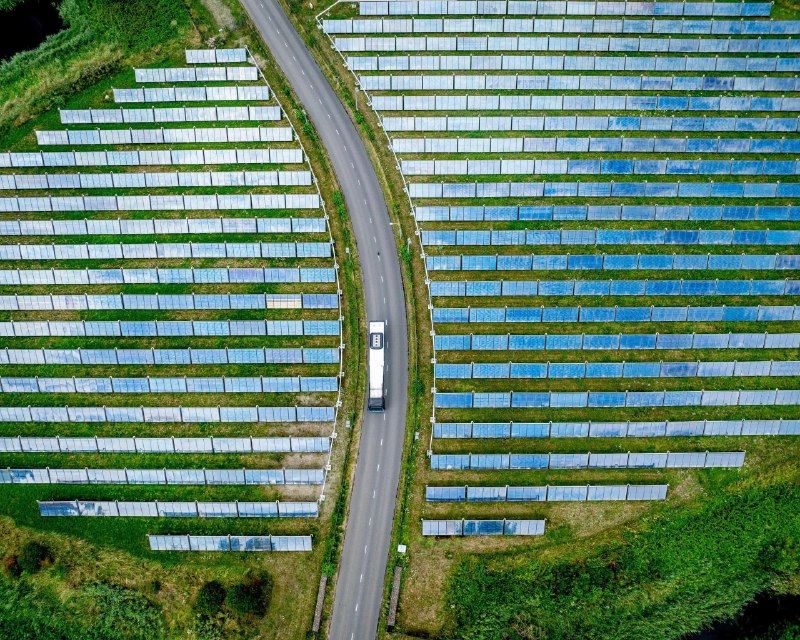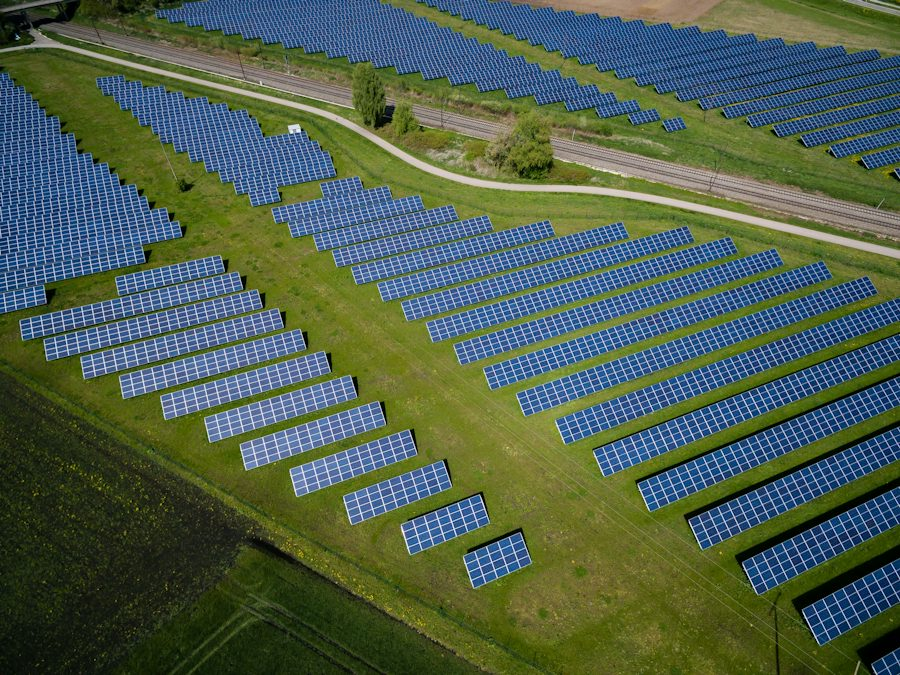
In 2025, solar power plants around the world generated 2,778 TWh — almost as much as nuclear plants. That is according to annual review data from the Ember think tank. From April to September, solar generation exceeded output from nuclear power plants. A decade earlier, solar accounted for only about 1% of the world’s electricity.
The growth is driven primarily by the falling cost of solar panels. Large-scale manufacturing in China, improved efficiency and reduced use of silicon and silver have made them more affordable. Where grid electricity is expensive or unreliable, installing their own panels reduces people’s dependence on suppliers.
Batteries are also getting cheaper: they can store daytime electricity for the evening peak in demand. But storage for a few hours is no substitute for storing energy through long cloudy periods or between seasons. Those challenges remain difficult.
That is why further growth in solar power depends on more than the number of panels. It requires power grids, storage and the electrification of transport and other sectors to be coordinated with the system’s capabilities. The technology has already reached a large scale; the priority now is for the power system to keep pace with its development.