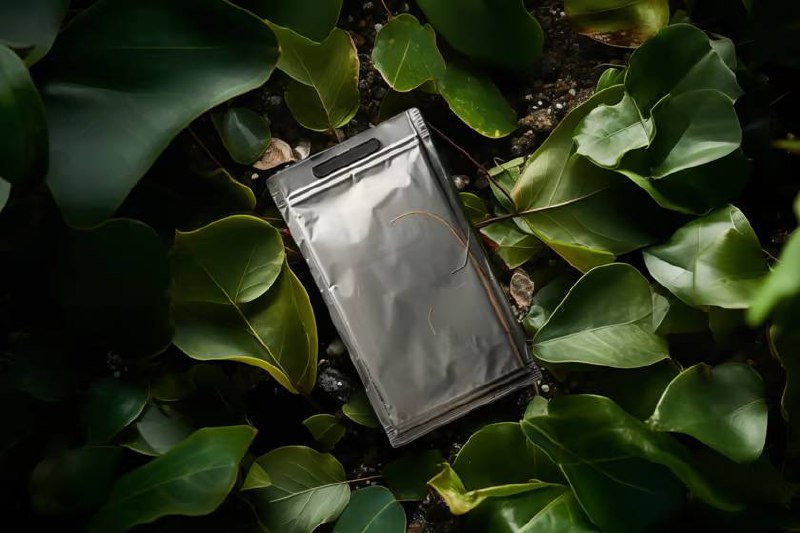
Flint has developed an innovative paper-based battery that could become an environmentally friendly and safer alternative to lithium-ion batteries. The technology is based on cellulose, which acts as a medium for ion transfer between the anode and cathode. Instead of lithium and cobalt, it uses more accessible, safer and recyclable metals such as zinc and manganese.
With an energy density of 226 Wh/kg, the new battery is on par with conventional lithium-ion counterparts, while offering a high level of safety: it does not catch fire or explode and is resistant to mechanical damage.
Another important advantage is its environmental profile. At the end of its life cycle, the battery can be recycled or even composted, minimizing its environmental impact. The manufacturing process does not require rare or expensive materials, making the technology accessible and promising on a global scale.
Flint has set itself an ambitious goal: to cut battery production costs in half compared with lithium-ion batteries, which could be a major breakthrough in energy storage.