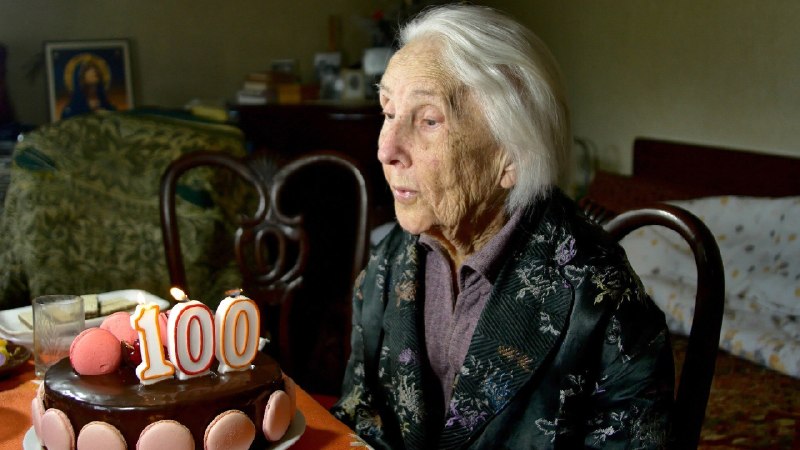
Scientists at the Josep Carreras Institute in Spain have completed the most detailed study to date of the biological basis of longevity, examining the body of Maria Branyas Morera, a woman who lived to 117 and retained mental clarity and good health. Under the code M116, her biological data became the subject of a large-scale analysis: researchers examined her DNA, metabolism, immune system, microbiome, and epigenetic clocks.
Despite age-related changes, Maria had an ideal ratio of bad to good cholesterol, low levels of inflammation, and a “young” microbiome with a high content of bifidobacteria. Her epigenetic age was 23 years below her chronological age. Her genome contained unique genetic variants associated with efficient mitochondrial function, a strong immune system, and protection against cardiovascular and neurodegenerative diseases. There were no genes that increase the risk of Alzheimer’s disease or heart attack.
Although some factors were hereditary, many of the positive markers were linked to a healthy diet and lifestyle. Regular consumption of yogurt and other fermented foods stands out in particular.
The study brought scientists closer to understanding the mechanism of longevity and gave each of us a point of reference: much can be improved through diet, physical activity, and overall lifestyle, regardless of age.