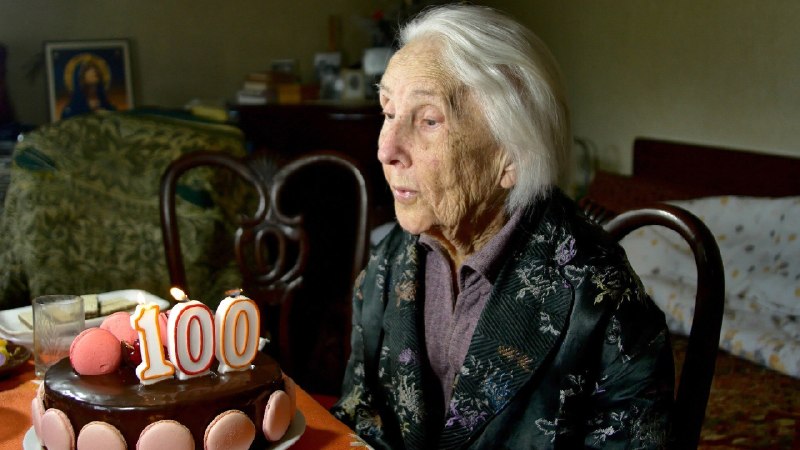
Scientists from China and Japan have taken an important step toward understanding why some people maintain strong immunity even in very old age. They created a detailed “atlas” of the immune system of people over 100 and compared it with the profiles of their descendants and younger participants.
It turned out that the immune system of centenarians does not weaken, but rather reshapes itself. People aged 100 and older had fewer cells responsible for training the immune system, but significantly more so-called killer cells — NK cells and cytotoxic T cells. They directly destroy viruses and tumors, providing rapid and effective defense. Moreover, these cells in centenarians behave more “youthfully” — they divide actively and interact better with one another.
Previously, immune aging was considered an inevitable process of decline. However, the new study shows that the body can adapt by shifting its focus from training to rapid defense.
The researchers also paid special attention to the RUNX3 molecule, which is highly active in the immune cells of centenarians. It may become a promising target for future therapies aimed at supporting immunity in older people. In addition, the mechanisms of immune-cell interaction could form the basis for new vaccines and immune stimulants.