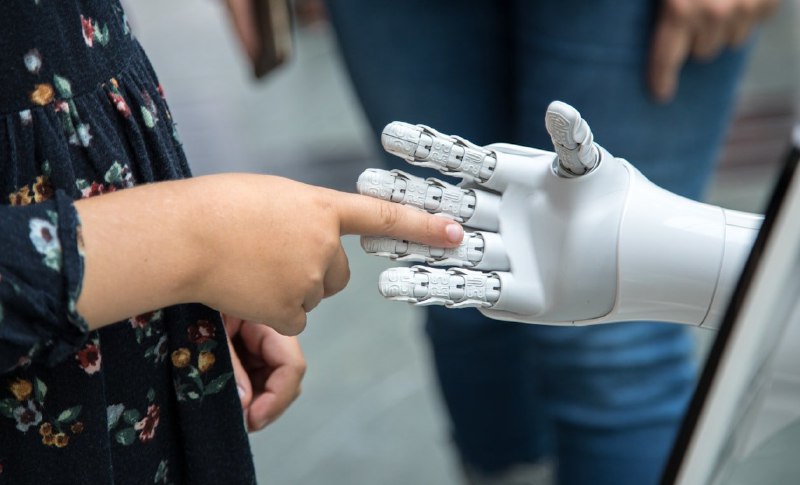
Engineers from Cambridge and University College London have developed synthetic skin that can detect damage and keep working after an injury. The new hydrogel skin registers touch, pressure, heat, and even cuts and burns, sending a “pain” signal in real time.
Previously, robots could record damage but lost sensitivity, because each type of signal relied on separate sensors. Now, one flexible hydrogel with a network of 860,000 pathways replaces an entire sensor system, without requiring complex construction, and it maintains functionality even after damage.
The development is recognized as the most realistic to date. This capability increases the adaptability of robots for different tasks, from industry to work with people. For robotics, this is not just another innovation, but a fundamentally new approach to transmitting sensations and feedback from the environment.