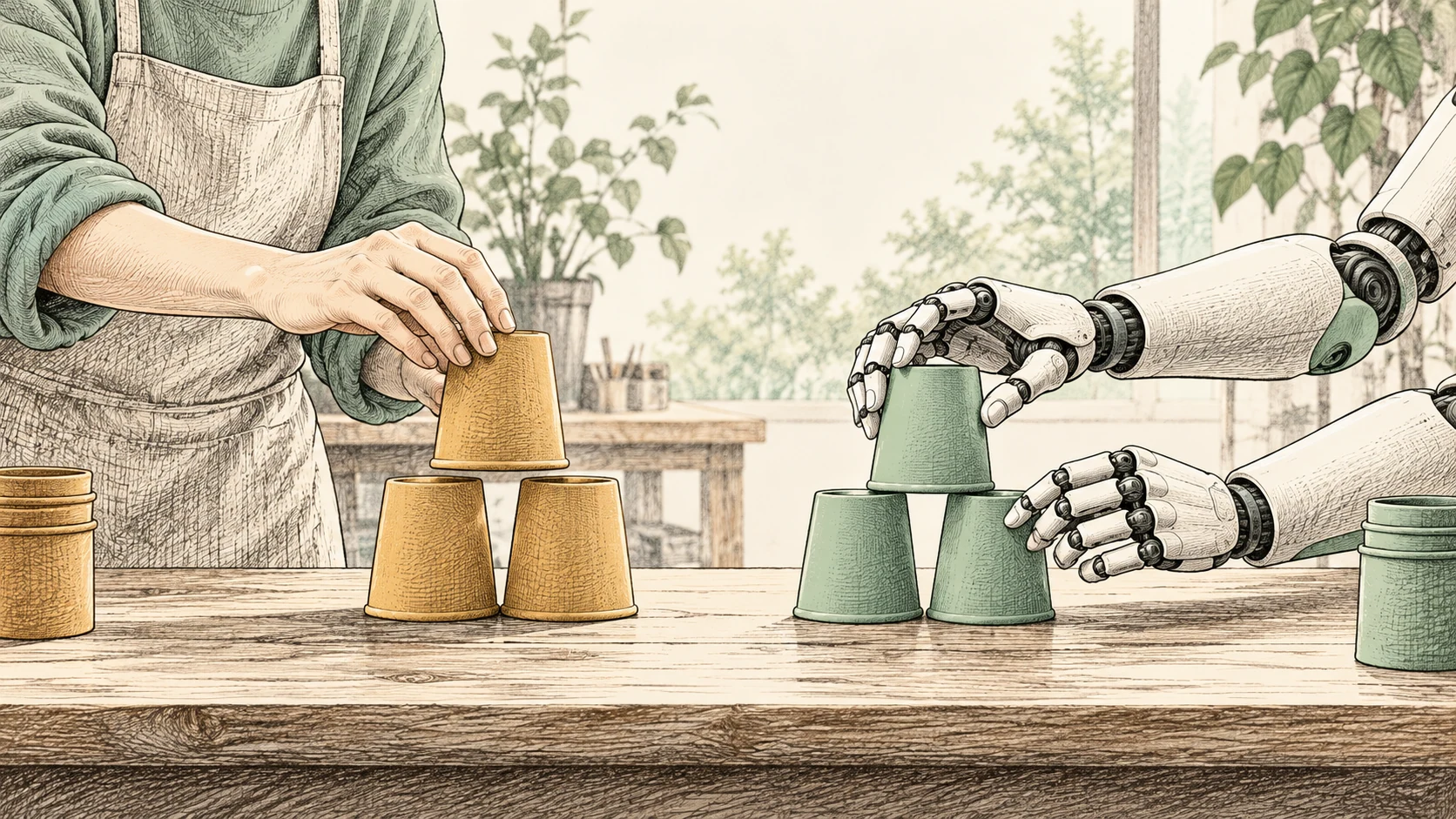
Researchers from Switzerland, Japan, and the United States presented three new advances in robotics that bring machines closer to the flexibility and intuitiveness of the human body.
At EPFL in Switzerland, scientists developed a soft robotic hand, ADAPT, capable of grasping objects without complex programming. Instead of precise models and sensors, the team uses “mechanical intelligence”—a flexible silicone structure with springs and joints that lets the hand adapt to an object.
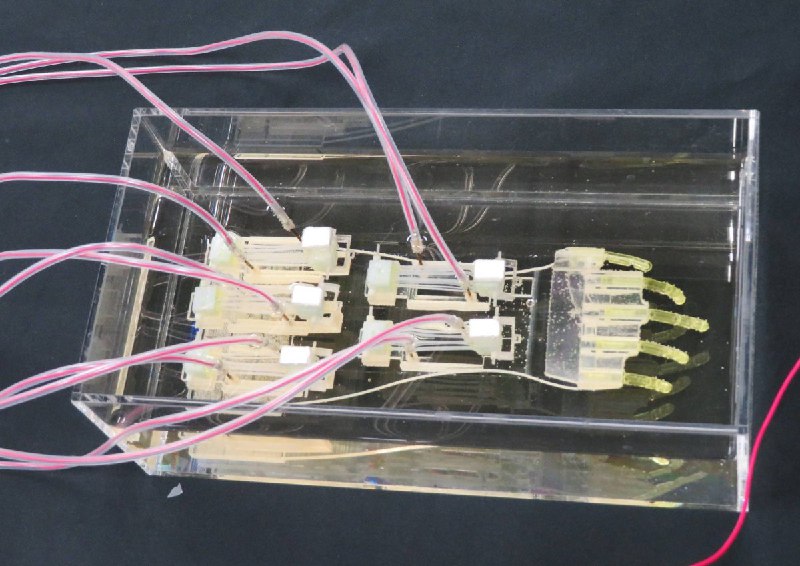
In Japan, researchers grew “living” muscles from human cells and created a miniature robotic hand controlled by electrical impulses. The muscles can rest and recover like real ones, making the approach promising for building realistic and functional bio-prosthetics.
At MIT, researchers developed artificial muscles on a gel substrate that can bend in different directions. The work points toward creating soft biodegradable robots for biomedicine, engineering, and underwater tasks.
Together, these three developments move robots closer to natural human capabilities—making them flexible, adaptive, and able to interact intuitively with the surrounding world.