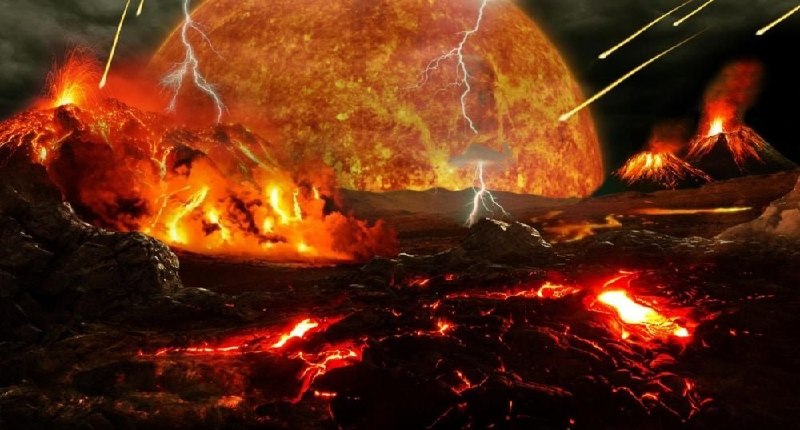
Scientists at the Massachusetts Institute of Technology (MIT) have, for the first time, identified physical traces of the so-called proto-Earth — the planet’s original state before its collision with the hypothetical body Theia, which is believed to have formed the Moon.
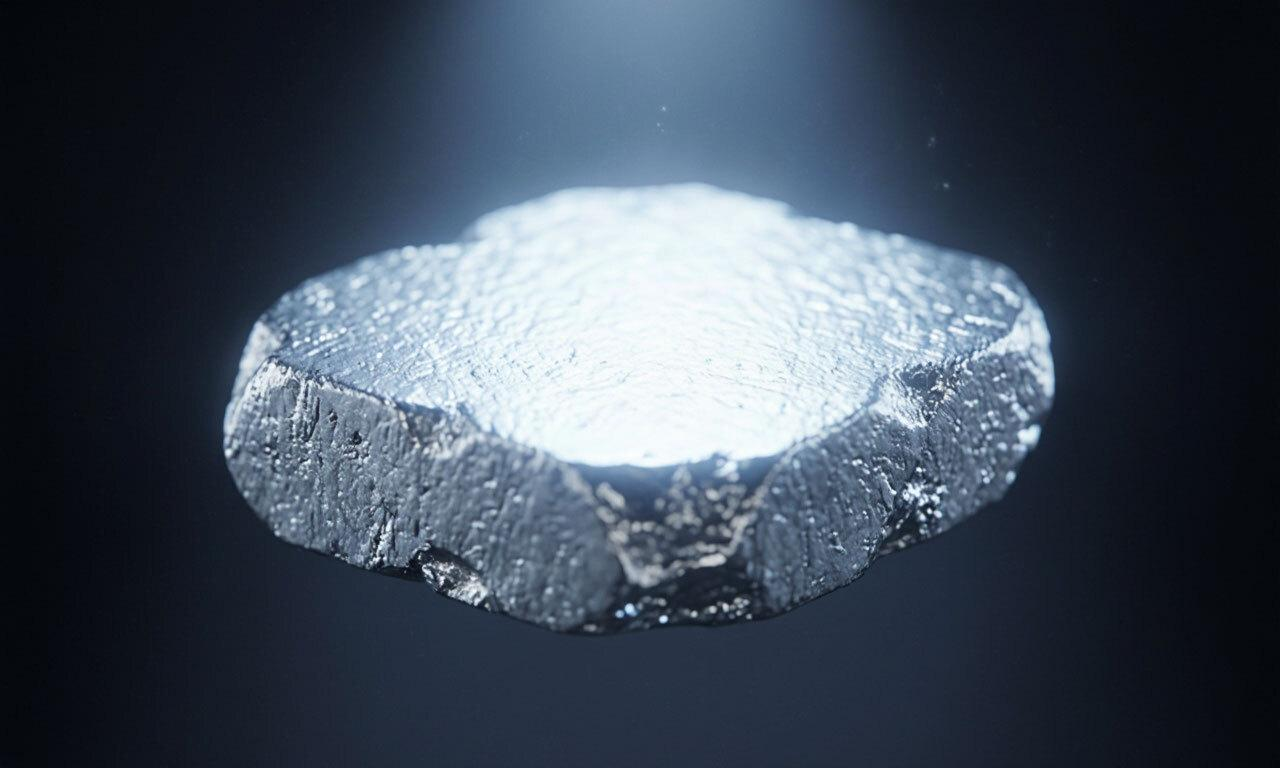
The study used samples of the oldest rocks from Greenland, Canada and South Africa, as well as Hawaiian volcanoes. The key marker for the analysis was potassium-40 — a radioactive isotope that makes it possible to determine the age and origin of material. Its concentration was noticeably lower in some areas than in younger rocks. This indicates that these materials have remained in an almost unchanged state since the planet formed.
The composition of these rocks does not match any known type of meteorite. This suggests that Earth likely formed from unique material that scientists have not encountered before. All computer modelling scenarios confirmed that rocks with reduced potassium-40 content are, with a high degree of probability, surviving fragments of the pre-impact Earth.
This finding provides the first evidence that the proto-Earth has partly survived and still exists in the depths today. It may offer a key to understanding not only Earth’s history, but also the evolution of the entire Solar System.