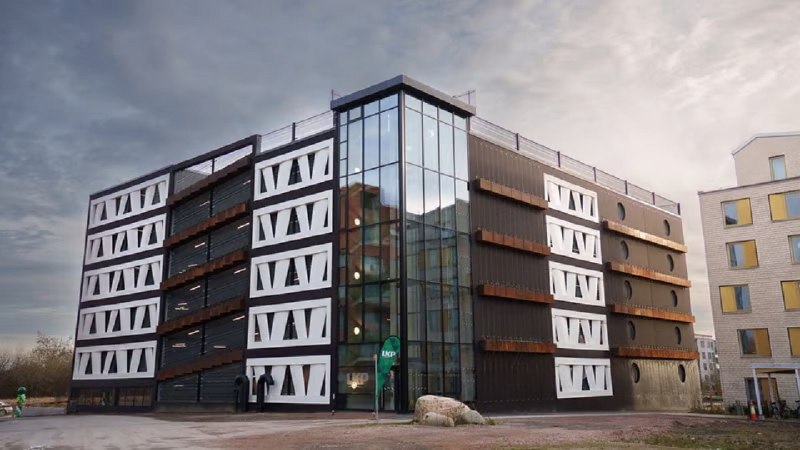
A new approach to sustainable urban development — nature-positive urbanism — suggests going beyond tree planting and moving past familiar green spaces. Its core idea is to integrate nature into the very structure of the urban environment.
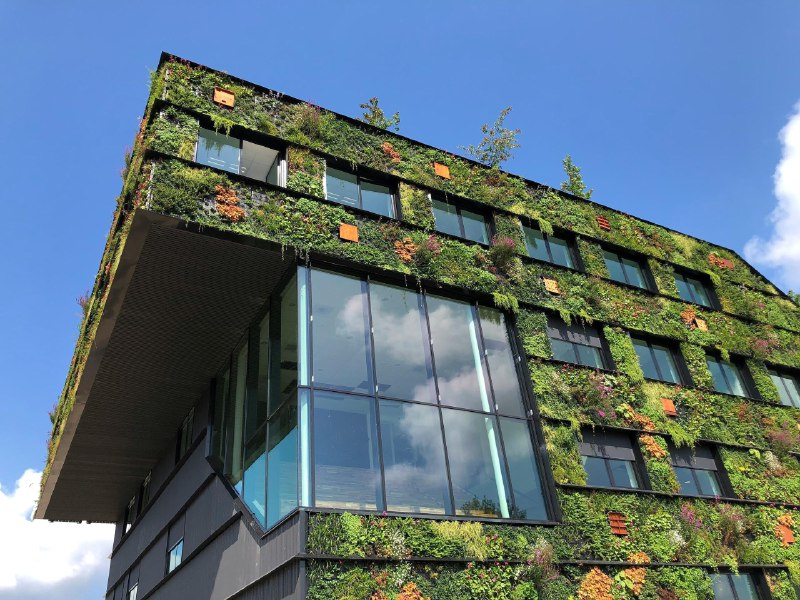
In Singapore, for example, the Oasia Hotel has become a symbol of “living architecture” — its green facade cools the building and provides habitat for birds, insects and bees. In Toronto, “eco-crossings” for wildlife have appeared. These bridges and tunnels over highways help preserve the continuity of natural habitats while reducing the risk of animals being killed. In Harare, Zimbabwe, the Eastgate Centre uses biomimicry principles — a ventilation system modeled on a termite mound. As a result, the building maintains a comfortable temperature without air conditioning and with minimal energy use.
The cities of the future are looking less and less like faceless concrete jungles and more and more like scenes from post-apocalyptic films: skyscrapers covered in ivy, green roofs, animals roaming the streets. But contrary to the first impression, this is not an anti-utopia, but a real and inspiring trend in which cities are learning to live together with nature.