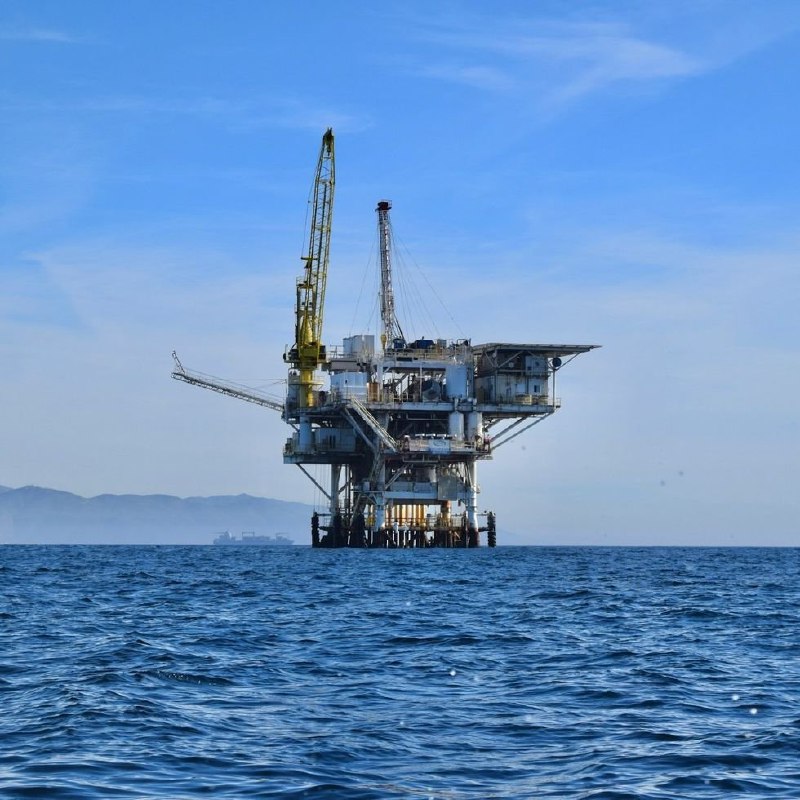
An international team of scientists has confirmed for the first time the presence of large reserves of fresh water beneath the ocean floor. During Expedition 501, drilling was carried out off the northeastern coast of the United States, from New Jersey to Maine. This was the first study in which the seabed was drilled to such a depth specifically to investigate submarine aquifers.
From the research vessel Liftboat Robert, specialists collected nearly 50,000 liters of water and core samples, which are now being analyzed around the world. The goal is to determine the origin of the water, its age, and whether it is suitable for drinking. The results are especially important against the backdrop of a growing global water shortage: according to UN forecasts, the world may be short of up to 40% of the necessary volume of fresh water in the coming years.
The study showed that the volume of underwater reserves in this region alone could supply a metropolis with water for almost a thousand years. Similar aquifers may exist around the world. Scientists now face several important tasks: assessing the environmental and legal implications and deciding how to use this resource safely in the future.