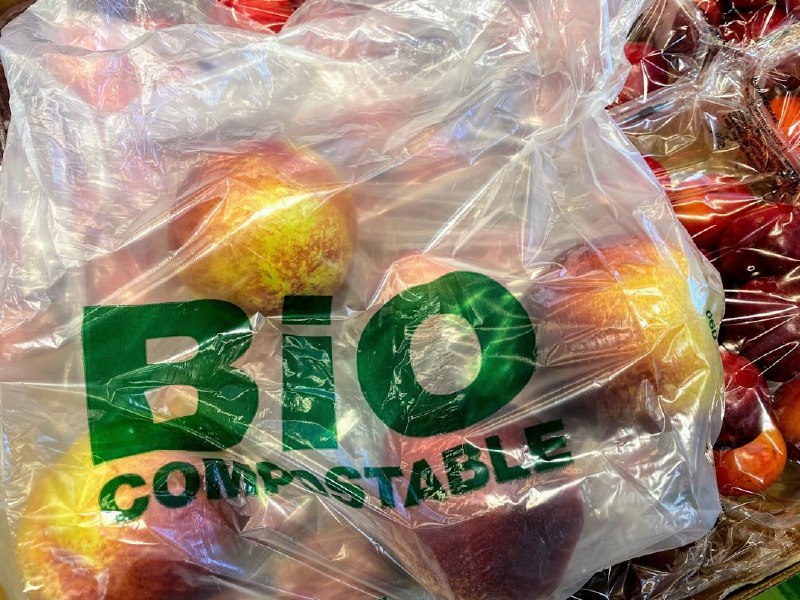
A new type of synthetic plastic has been developed that can break down in response to a predetermined signal. The material remains strong and stable during ordinary use, but begins to break down under ultraviolet light or certain metal ions — without high temperatures or aggressive reagents.
The development is based on a principle borrowed from biopolymers. Unlike traditional plastic, the new molecular structure includes special active groups that can break the bonds between polymer chains when needed. Scientists can adjust the material's rate of breakdown by changing the placement of these groups.
In the first laboratory tests, the breakdown products showed no toxicity. A full safety assessment is still ongoing. If the idea of "programmed plastic" reaches mass use, humanity may finally have a chance to stop choosing between convenience and environmental responsibility.